Used Warehouse Racking For Faster Storage Expansion
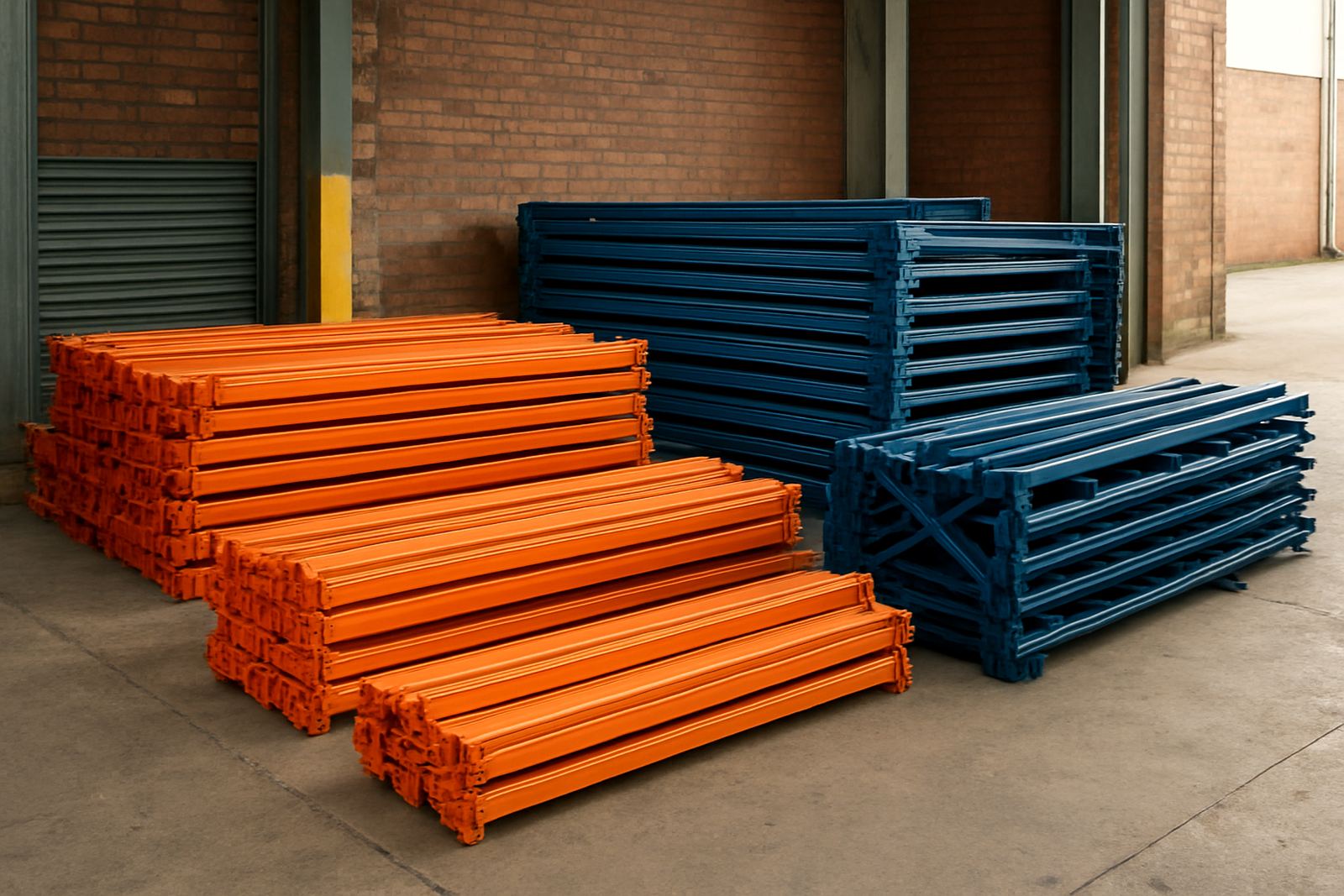
Warehouse racking is the steel storage framework used to hold pallets, cartons and loose stock at height. On the used market, it is a practical option for warehouses that need extra capacity for seasonal peaks, new contracts or a tighter layout after a move. Most systems are made up of upright frames, horizontal beams and decking or shelf panels, with safety clips, base plates and anchor points to keep the structure stable.
Used racking suits businesses that want to expand quickly without waiting for a full new fit-out. It is common in bulk stores, wholesale yards, parts stores, manufacturing stores and e-commerce fulfilment areas. When it is inspected properly, second-hand steel racking can give solid service for years, especially where the stock is standard palletised goods and the warehouse floor is level.
- Typical use: pallet storage, carton picking, spare parts, packaging and slow-moving stock.
- Common styles: selective pallet racking, boltless shelving and long-span shelving.
- Good for: warehouses in Johannesburg, Pretoria, Germiston, Durban, Cape Town and Bloemfontein.
Sizes, Load Ratings And Common Configurations
Most used pallet racking is sold by bay size, beam length and upright height. The right configuration depends on pallet size, forklift access and the weight of each load. Standard beam lengths often range from 2.4 metres to 3.6 metres, while upright frames can run from about 2.4 metres to 9 metres high, depending on the building and floor clearances.
Load capacity should always be checked per beam level and per bay. A well-documented used system will note the beam rating, upright rating and whether the load is evenly spread. As a guide, many medium-duty warehouse bays are used for pallet loads of 800 kg to 1 500 kg per level, while heavier systems can be rated higher when the frame and beam condition is confirmed.
- Beam depths: commonly 50 mm, 75 mm or 100 mm profile systems.
- Upright depths: often 600 mm, 800 mm or 1 000 mm for pallet storage.
- Shelving heights: from low 2-shelf runs to tall multi-tier picking lines.
Where This Equipment Suits Best
Used racking works best where the warehouse handles repeat stock, palletised goods or goods that must be picked quickly. It suits ambient storage, spare parts rooms, retail backrooms and production support stores. In coastal areas like Durban and Cape Town, steel condition matters more because humidity can speed up surface rust if the racking has been exposed to wet air or poor ventilation.
It also suits businesses dealing with load-shedding because the storage system itself does not rely on power. That said, the layout around the racking may need lights, forklift charging points, scanners or access control, so the wider site plan still matters. In tight urban sites, especially around Isando or Alberton, shorter aisles and higher bay planning can help make better use of limited floor space.
- Good for warehouses, workshops, distribution sheds and parts stores.
- Useful where stock rotation is steady and aisle access is controlled.
- Not ideal for damp ground, open yard storage or poor floor slabs without proper checks.
Installation, Floor Checks And Power Requirements
Warehouse racking should be installed by people who understand floor levels, anchoring and safe load transfer. Uprights need to sit on sound concrete, with base plates fixed to the slab where required. Before installation, the floor should be checked for cracking, uneven patches and any signs of settlement. In some older buildings, especially in industrial areas around Germiston and Johannesburg East, floor condition can affect how the racking stands over time.
Most pallet racking does not need power or gas to function. It is a mechanical storage system, so the main site needs are floor space, enough ceiling height and safe access for forklifts or order pickers. If your operation uses gas or electric forklifts, allow for charging, refuelling and ventilation in the surrounding warehouse plan. Always keep fire exits, sprinkler lines and municipal access requirements in mind when setting out the bays.
- Confirm aisle width for the forklift or reach truck in use.
- Check sprinkler clearance and fire route space before setting bay positions.
- Allow for lighting, charging stations and safe pedestrian walkways.
Care, Servicing And Ongoing Safety Checks
Used racking should be inspected after delivery, after installation and then at regular intervals. The main checks are upright dents, bent beams, missing beam locks, loose anchors, damaged shelf panels and rust at the feet. In humid or dusty conditions, a simple cleaning and inspecion routine can prevent small problems becoming bigger ones. Keep the lower levels clear of water leaks and avoid loading bays with uneven weight on one side only.
When a bay is struck by a forklift, even lightly, it should be taken out of service until it has been checked. Mark damaged sections clearly and do not continue to load them. For sites with changing stock volumes, a weekly visual walk-through helps spot movement, loose connectors or panels that have shifted out of line.
- Wipe down dust and check for rust at joints and base plates.
- Replace missing safety clips and damaged shelf boards straight away.
- Keep load labels visible so staff know the safe working limit per bay.
What To Check Before You Buy
When ordering used warehouse racking, ask for the exact measurements, the load rating and the condition of every major part. Measure your floor space carefully, including aisle width, door height and any overhead obstructions. If the system will be used with pallets, confirm pallet size and forklift clearance so the beams sit at the correct levels.
Check that the package includes all the required components, such as uprights, beams, wire decking, shelf panels, anchors and safety pins. If your site needs multi-site dispersals, confirm how the lots are packed and whether collection can be arranged from one viewing point or several. Buyers should also consider rust, bends, missing parts and whether matching sections are available if the layout needs to be expanded later.
- Measure bay width, aisle width, ceiling height and door openings.
- Check beam length, upright condition and the stated load rating.
- Confirm what fittings are included and whether collection can be handled at your nearest viewing point.
Key facts
| Product type | Used pallet racking and shelving systems |
|---|---|
| Typical bay width | 2.4 m to 3.6 m |
| Typical upright height | 2.4 m to 9 m |
| Common load range | About 800 kg to 1 500 kg per level, subject to condition |
| Installation need | Concrete floor, anchors, level set-out and safe forklift access |
| Power or gas required | None for the racking system itself |