Used excavators listed for work that needs real reach and digging power
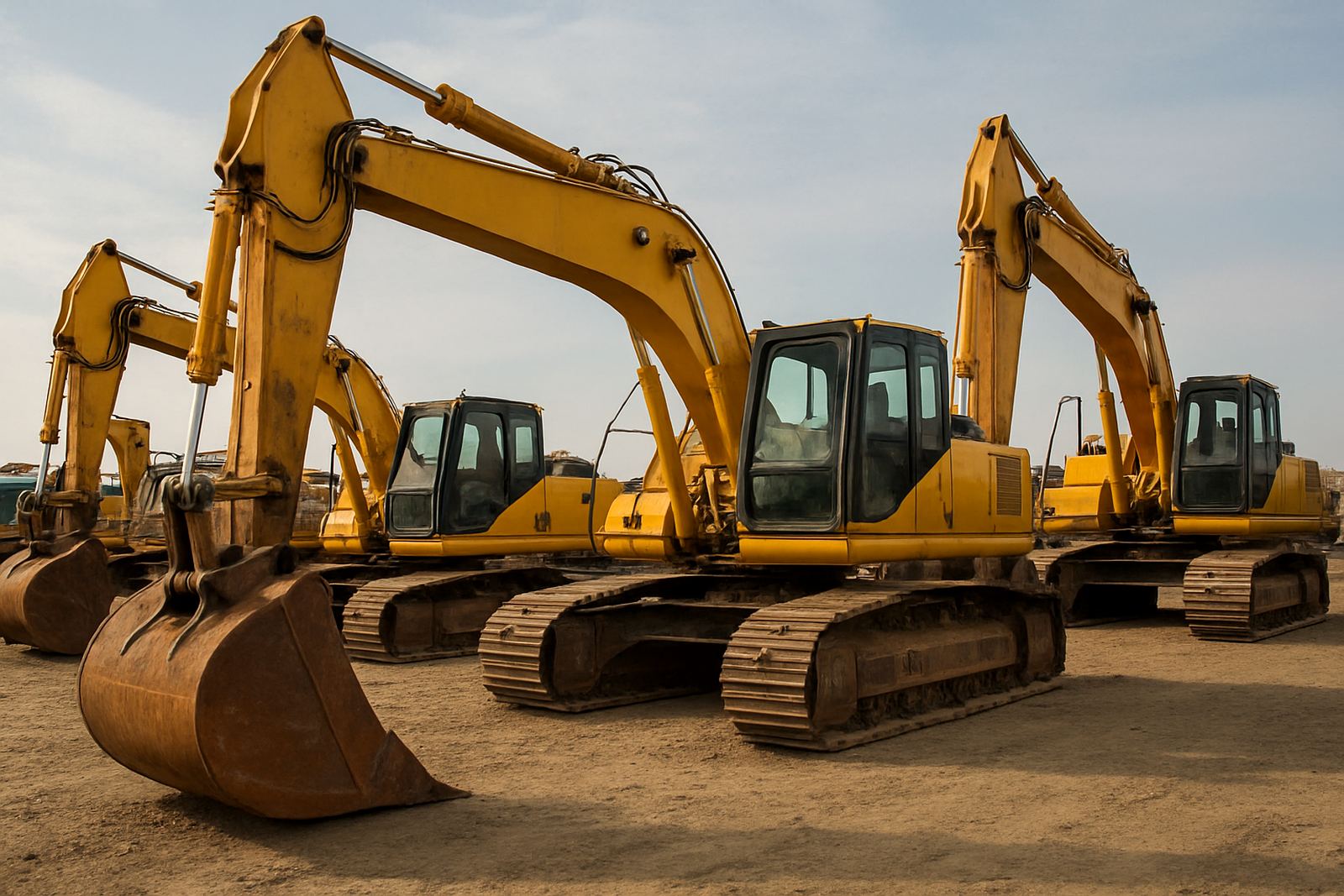
Excavators are heavy digging machines used for trenching, bulk excavation, loading spoil, clearing sites and handling materials with a bucket or fitted attachment. At auction you will usually find crawler excavators for softer ground and long shift work, plus wheeled excavators for road jobs, municipal work and urban sites where moving between points on tar is part of the day. Some units come straight from plant fleets, others from project completion sales where the owner is reducing surplus equipment after a contract ends.
On a South African site, an excavator has to cope with dust, heat, load-shedding at the depot and the stop-start pace of civil work. That means buyers should look carefully at undercarriage wear, hydraulic condition, boom and arm play, and whether the machine has been kept up with basic servicing. A tidy machine with fair hours can still be a practical buy if the price is right and the paperwork is in order.
Crawler and wheeled options, from compact diggers to production machines
Excavators are usually grouped by operating weight and by undercarriage type. Smaller compact units suit drainage, landscaping and tight access work, while mid-size machines are common on trenches, foundations and general site clearing. Larger machines are used for quarry work, bulk earthworks and loading trucks. Wheeled units are handy for metro and municipal jobs where speed between sites matters, while crawlers stay steadier in soft ground and uneven conditions.
- Compact excavators: about 1.7 to 8 tonne, useful for service trenches, fibre work and residential sites
- Mid-size excavators: about 13 to 25 tonne, common for civil work, pipe laying and general earthmoving
- Large excavators: about 30 to 50 tonne plus, suited to quarrying, bulk loading and heavy clearing
- Wheeled excavators: better for road reserves, municipal maintenance and urban projects
- Crawler excavators: preferred where traction and stability matter most
Some lots include extra buckets, quick hitches, breakers or grapples. If you need a machine for mixed duties, check the attachment set as well as the base unit, because that can change the value quite a bit.
Where excavators suit the job and what they need on site
Excavators work well on civils sites, pipe trenches, stormwater projects, demolition prep, farm dams, scrap handling and general yard work. In Gauteng, many buyers use them for construction support, while coastal buyers often favour machines with cleaner electrics and proper corrosion care because humidity can be hard on pins, connectors and cabling. On tight city sites, a wheeled excavator is easier to move, but a crawler will usually give better stability when lifting or digging in softer ground.
Most excavators do not need complicated installation. They need access, a level loading area, a suitable lowbed or truck for transport and enough space to unload safely. Diesel is the main fuel need, and some units may have auxiliary hydraulics for attachments. If a machine has a breaker or tilt bucket fitted, check the hydraulic lines and couplers before collection. Where the seller provides the machine with a battery isolate switch or jump start points, that is useful on sites where power interruptions are common.
Buyers should also think about the ground they will work on. A crawler can mark finished surfaces and may need mats on paving, while wheeled units are better for sealed yards and public roads. If your site has municipal restrictions, traffic controls or limited working hours, plan for the machine size and trailer access before you bid.
Specs and features buyers should compare before bidding
There is no single excavator that suits every project, so the useful detail sits in the numbers. Hours alone do not tell the full story. A well maintained machine with sensible usage can be better than a lower-hour unit that has sat idle with worn hoses and tired pins. Look at digging depth, reach, bucket size, swing system and travel condition. It is also worth checking whether the machine has air conditioning, an enclosed cab, a rear camera, or a blade where applicable.
- Operating weight: typically 1.7 to 50 tonne plus
- Digging depth: often about 2.5 m to more than 7 m depending on size
- Bucket capacity: commonly from 0.03 m3 on compact units to over 2 m3 on larger machines
- Power source: diesel engine, with hydraulic system for boom, arm and attachment work
- Travel type: crawler tracks or rubber-tyred wheels
- Typical extras: quick hitch, breaker piping, blade, auxiliary hydraulics, extra buckets
If you are buying for a smaller contractor or a single site, a compact machine with low transport weight may be more practical than a bigger excavator with power you will not use every day. Bigger is not always better, especially when fuel burn, transport and maintenance are part of the cost.
Viewing, condition checks and the papers to ask for
Before you place a bid, inspect the machine as carefully as you would any major asset. At BidThis viewings, buyers should check the boom, stick, bucket linkage, slew ring movement, track tension or tyre wear, cab condition and any signs of oil leaks around the pump, final drive or cylinders. Start-up condition matters too. Listen for smoke, rattle, slow hydraulic response or strange noises when slewing and tracking.
- Engine hours: compare the metre reading with service records and visible wear
- Hydraulics: check for jerky movement, weak lift or dripping hoses
- Undercarriage or tyres: look for heavy wear, cracks or mismatched parts
- Attachments: confirm bucket sizes, hitch type and any missing pins or bolts
- Paperwork: ask for serial numbers, ownership documents and any service history available
For machines from project completion sales, it helps to know whether the excavator worked on hard rock, demolition or general earthworks. A unit that spent its life on clean trenching may have less structural wear than one used in quarry conditions, even if the hours are similar.
Servicing, storage and what keeps an excavator working longer
Good service habits make a big difference on excavators. Greasing pins and bushes regularly helps reduce slop in the boom and bucket linkage. Filters, oils and coolant should be changed to schedule, and hydraulic leaks should not be left to worsen. In coastal areas, keep an eye on corrosion around electrical connections, radiator packs and exposed steel. In dusty inland areas, clean air filters and radiators more often because blocked cooling packs can lead to overheating fast.
When a machine is parked for a while, keep the bucket lowered, relieve hydraulic pressure and disconnect the battery if the machine will stand unused. If the unit is stored outdoors, cover sensitive controls and keep mud off the tracks or tyres so they do not set hard. A little care goes a long way, especially when the machine is waiting between jobs or standing at a yard for collection.
For buyers planning a resell later, service records matter. Clear records can help at the next auction and make the machine easier to move on. That is worth taking seriously, even if the unit looks tidy from a distance.
Key facts
| Machine types | Crawler excavators and wheeled excavators |
|---|---|
| Typical size range | About 1.7 tonne to 50 tonne plus |
| Fuel | Diesel |
| Common attachments | General bucket, trench bucket, breaker, grapple, quick hitch |
| Working use | Trenching, bulk digging, loading, demolition prep, material handling |
| Viewing areas | Germiston, Johannesburg East, Pretoria, Durban, Cape Town, Bloemfontein |