What a refrigerated trailer is used for
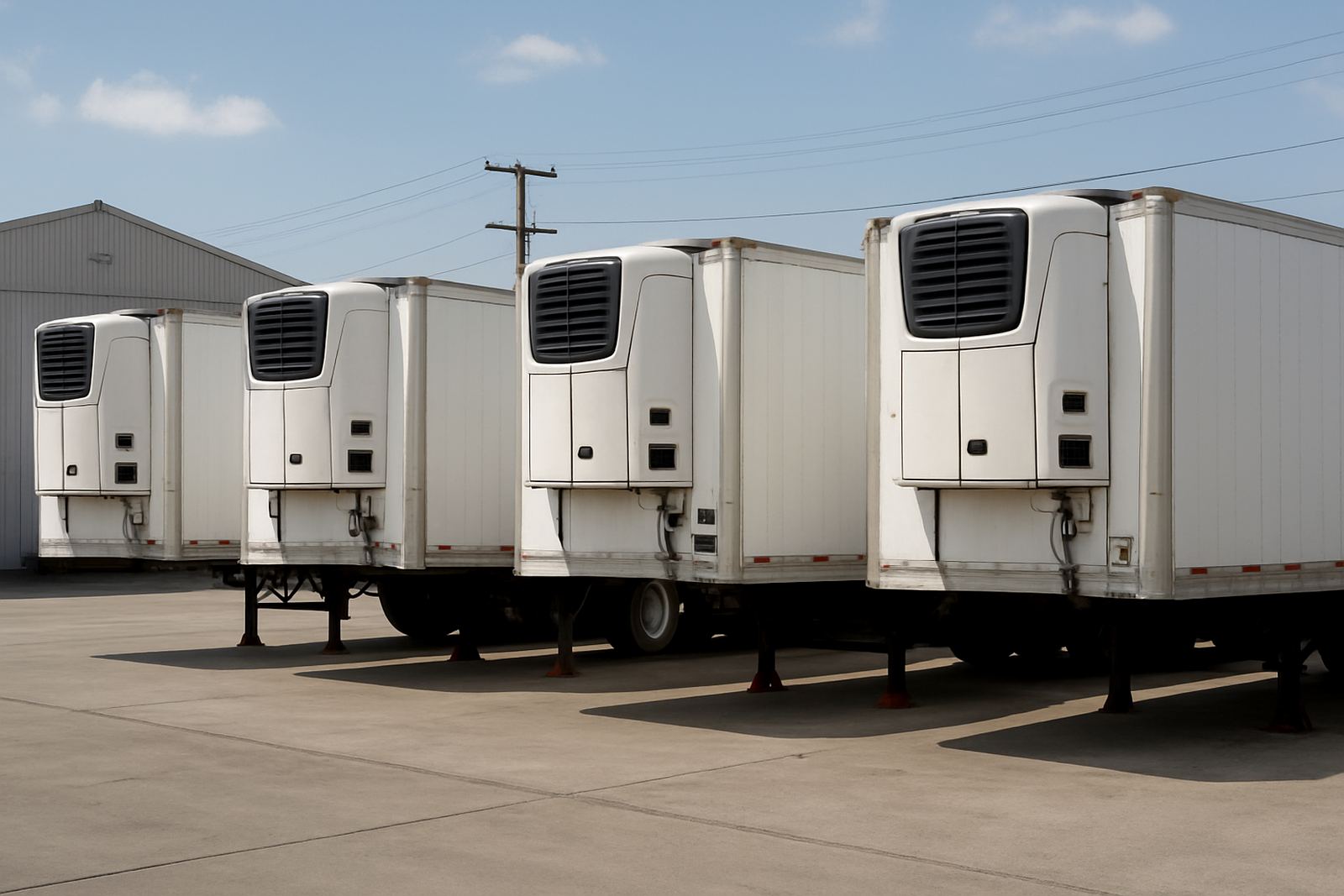
A refrigerated trailer is an insulated trailer fitted with a cooling unit so goods can be kept at a set temperature while in transit or parked for short periods. These units are common for food distribution, catering, florists, meat processing, pharmaceutical deliveries and event work where stock cannot sit in the sun or in a warm loading bay.
Used refrigerated trailers sold at auction often suit businesses that need extra capacity for seasonal spikes, temporary site work or backup storage during equipment breakdowns. In Gauteng, KwaZulu-Natal and the Western Cape, they are also useful where deliveries happen early in the day and goods must remain cold through load-shedding or long queue times at busy yards. Some buyers use them as stand-alone cold rooms at depots, but they still need the right power supply and regular checks to keep temperatures steady.
Because these trailers are built for holding a set tempreature, the main value lies in the box condition, insulation quality and how well the cooling plant has been maintained. A clean outside shell is helpful, but the real test is whether the body still seals properly and whether the unit can hold temperature under load.
Common sizes, layouts and options to look for
Refrigerated trailers come in several lengths and body configurations, usually based on axle setup, payload needs and the type of goods carried. Smaller units suit catering, flowers and sample stock, while larger trailers are better for wholesale food, medical consignments and multi-drop routes. Many are box-bodied, but buyers may also come across trailer units with rear doors, side access or internal shelving tracks.
- Typical body lengths: about 2.4 m, 3 m, 4.2 m, 6 m and longer custom builds
- Typical widths: around 1.8 m to 2.6 m internal, depending on body design
- Internal heights: often 1.9 m to 2.3 m, with some higher volume units available
- Temperature range: chilled work around 0 C to 5 C, frozen work often from -18 C to -25 C
- Options: single or multi-compartment boxes, rear ramp, shelves, tie-down rails and internal lights
When bidding, check whether the trailer is a roadworthy towable unit or a static cold storage body on a chassis. That difference matters for licensing, movement and collection planning. If the unit has been sitting on gravel in a coastal area like Durban or Cape Town, inspect for corrosion around the chassis, hinges and door frames.
Where refrigerated trailers suit a business best
These trailers work well where cold stock needs to move between depots, markets, farms, kitchens and retail sites without breaking the cold chain. A food distributor in Johannesburg might use one for overflow deliveries during peak trading, while a caterer in Pretoria could use it for wedding stock, ice cream or plated meals on event weekends. In Bloemfontein, a smaller business may use a trailer as temporary extra storage during busy periods when a full cold room is not justified.
They also suit businesses that need flexibility. Unlike a fixed cold room, a trailer can be parked where space allows and moved when the site changes. That makes them practical for temporary projects, pop-up food operations, agricultural packhouses and disaster relief work. If your yard has uneven access or tight turning space, check the overall trailer length and coupling height before you bid.
- Good fit for temperature-sensitive goods that move daily or weekly
- Useful where cold room space is full or repairs are due
- Handy for seasonal stock, events and mobile distribution
- Can back up operations during power cuts if the system is correctly powered or pre-chilled
Power, gas and installation basics
Most refrigerated trailers need a stable electrical supply for the cooling unit, and some units may have auxiliary power options for standby use. Buyers should confirm the voltage, current draw and plug type before collection, because a trailer that runs well on site may still need an adaptor or generator connection at your premises. If the unit uses a diesel or petrol standby arrangement, ask what is included and whether the fuel system has been tested recently.
Installation is usually simple compared with a fixed cold room, but it still needs proper setup. The trailer must stand level enough for the doors to seal, airflow around the condenser must not be blocked, and the floor should be strong enough for pallet jacks or trolleys. On sites with frequent load-shedding, many buyers pair the trailer with a generator or controlled shore power so the unit can hold temperature through outages. For businesses near the coast, electrical panels and connectors should be checked for salt-related wear before regular use.
Before collection, ask whether the trailer can be started, cooled down and held at operating temperature with the doors closed. A seller may state the set point, but the buyer still needs to confirm real-world performance under load.
What to inspect before you place a bid
Used refrigerated trailers can offer good value, but condition varies a lot. A careful inspection should cover the body, insulation, cooling system and roadworthy items if the trailer will move on public roads. Small faults can become costly if they affect temperature retention or cause delayed collections.
- Door seals: look for cracks, gaps or soft spots that let warm air in
- Insulation: check for damp patches, delamination or repairs inside the body
- Cooling unit: ask for start-up proof, temperature pull-down time and service records
- Chassis and undercarriage: inspect rust, bent members, tyres and suspension parts
- Electrical system: test lights, controls, plugs and any backup connection points
- Hygiene: look for stains, smells or old product residue that may need deep cleaning
If the trailer has been used for fish, meat or chemicals, make sure the interior can be cleaned properly and that there are no lingering odours. Also check whether the unit has had regular servicing, because a neglected cooling system may still switch on but struggle to hold temperature after a few hours of work.
Servicing, cleaning and long-term care
Refrigerated trailers need regular care to keep them useful, especially when they are parked outdoors between jobs. Keep the condenser clean, wash down the interior after each load and check the door seals for wear. If the unit sits unused for weeks, run it periodically so the compressor and fans stay in working order. In humid coastal weather, moisture can build up inside the body if the trailer is left closed with residue inside, so drying and airing out are worth the effort.
For long-term storage, park on level ground, keep tyres in good condition and cover exposed fittings where possible. Service intervals depend on the cooling unit, but buyers should expect filter checks, belt inspections where applicable and regular electrical testing. If a trailer has been standing for some time, budget for a basic recommissioning before putting it into daily use.
At BidThis, buyers can compare refrigerated trailers from different sellers across South Africa, including Germiston, Johannesburg East, Pretoria, Durban, Cape Town and Bloemfontein viewings. That makes it easier to inspect the unit, verify the details and bid with a clearer picture of what you are getting.
Key facts
| Product type | Used refrigerated trailer for temperature-controlled transport and short-term cold storage |
|---|---|
| Typical body sizes | About 2.4 m to 6 m plus, depending on build and axle setup |
| Typical temperature range | Chilled at 0 C to 5 C, frozen often from -18 C to -25 C |
| Power requirement | Usually single-phase or three-phase supply, with some units offering standby or generator compatibility |
| Common use cases | Food distribution, catering, florists, medical stock, events and overflow storage |
| Key checks | Seals, insulation, cooling performance, chassis corrosion, electrics and roadworthy condition |