What a used farm tractor can do on site
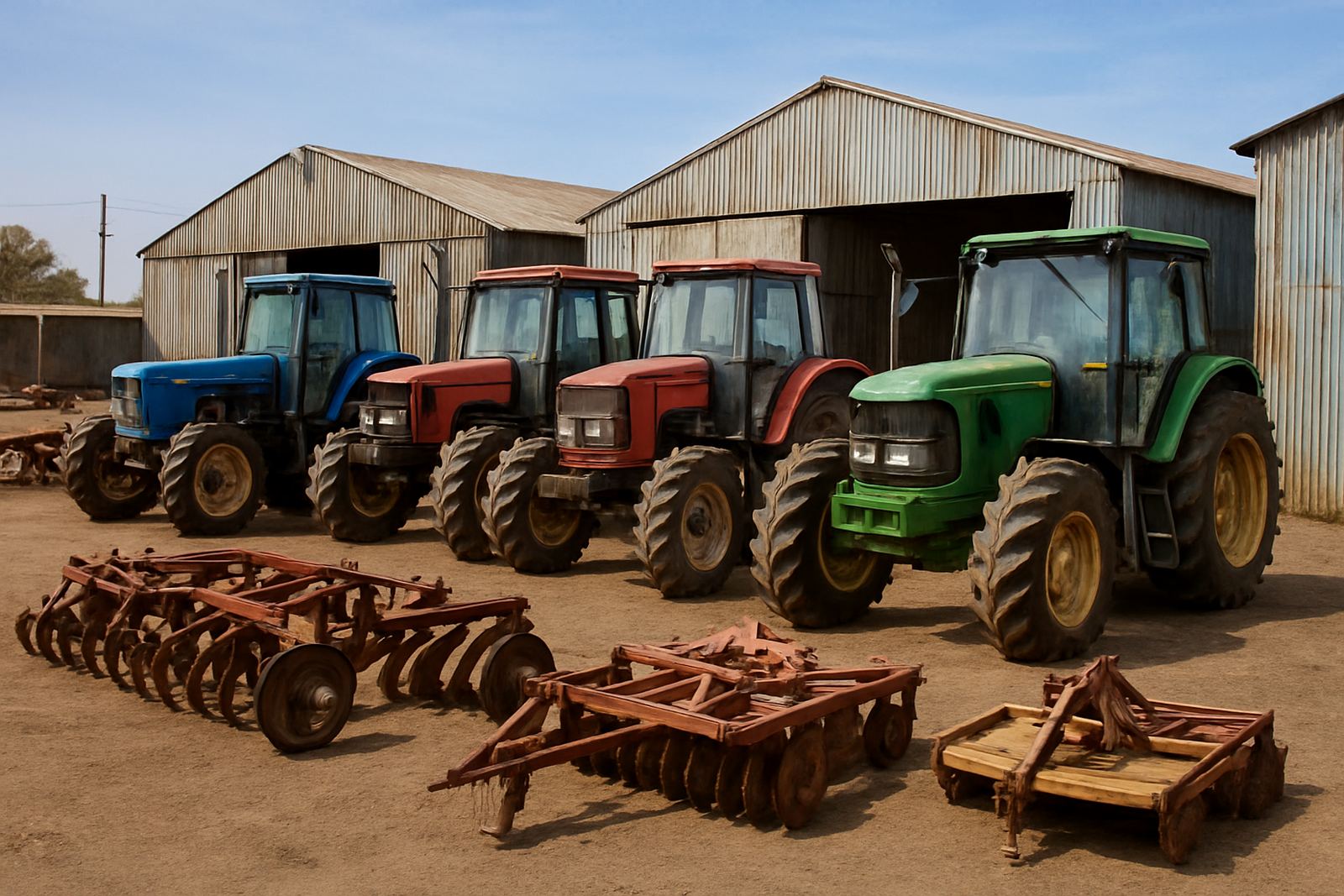
A farm tractor is the workhorse for towing, tilling, mowing, spraying, loading and general yard work. On smallholdings around Germiston, Vereeniging and the outer parts of Pretoria, a compact unit may handle feeding runs, trailer movement and light cultivation. Larger farms in the Free State, North West and KwaZulu-Natal often need more pull for baling, discing and heavier implements.
Used tractors can offer strong value if the hours, service record and driveline condition make sense for the job. For buyers watching cash flow, a well kept machine can be the difference between getting planting done now or waiting another season.
Many buyers also use tractors for contractor work, horse properties, municipal groundskeeping and estate maintenance. The key is matching the machine to the land, the implement size and the daily workload, rather than simply chasing horsepower.
Sizes and options to compare before you bid
Tractors are usually compared by engine output, transmission type, hydraulics and tyre setup. Smaller utility tractors often sit in the 35 hp to 60 hp range and suit mowing, towing and light loader work. Mid-size units from 70 hp to 110 hp are common for mixed farming, while 120 hp and above is better for heavier field implements and longer hours.
- 2WD models are often cheaper and simpler to maintain, but 4WD gives better grip in wet soil and on slopes.
- Manual gearboxes are common and easy to service, while shuttle or powershift setups help with frequent forward and reverse work.
- Cabin tractors offer shade and dust protection, which matters on dry inland farms and in hot summer conditions.
- Open-station tractors can be easier to inspect and may suit lighter work or short daily runs.
- Rear hydraulic remotes, PTO speed options and loader brackets can change how useful a tractor is on your site.
Tyre condition matters more than many buyers expect. Cracked sidewalls, mismatched sizes or worn rear lugs can add cost quickly, and good tyres are not cheap. In coastal areas like Durban and parts of Cape Town, salt air can also affect exposed metal and electrics over time.
Where these tractors fit best
Farm tractors suit a wide range of South African work, from crop farms to maintenance contracts. On vegetable farms near Johannesburg and Pretoria, they are often used for bed prep, spraying and produce carting. On cattle and mixed farms, they help with feed mixing, fencing runs and trailer work. Groundskeepers use smaller tractors for mowing sports fields, schools and estates.
They also work well where load-shedding or limited infrastructure makes electric equipment less practical. A tractor with the right fuel supply and basic servicing can keep operating when workshops or pumps are under pressure, which is useful on remote sites.
- Best for mixed farms needing one machine for several jobs.
- Good for contractors who move between sites and need dependable towing.
- Useful on estates, golf course edges and large private properties.
- Suitable for livestock handling yards, feedlots and small packhouse yards.
For buyers in Gauteng, the viewing yards in Germiston, Johannesburg East, Isando and Alberton are useful for side by side checks before any final decision.
Power, fuel and working setup
Most farm tractors run on diesel and need a clean fuel system, healthy battery and regular filter changes. A tractor with simple electrics is easier to keep working in rural areas where long cable runs, dust and heat can cause trouble. If you are buying for a farm with uneven power availability, choose a unit that starts easily and idles cleanly, since cold starts and repeated short runs can be hard on older engines.
There is no special gas supply needed for standard diesel tractors, but you should still check battery size, alternator output and the condition of starter wiring. For tractors that will carry a loader or run a PTO implement, verify hydraulic oil level, PTO engagement and cooling system condition before bidding.
Cab units may need fan, wiper and air-con checks too. In high dust areas and coastal humidity, these small systems matter more than people think.
What to inspect before you place a bid
Used tractors can look tidy from a distance but still hide expensive wear. Check the engine for hard starting, smoke, oil leaks and unusual knocks. Look under the tractor for oil drips at the rear main area, transmission housing and hydraulic lines. If the machine has a loader, inspect pins, bushes and boom cracks carefully.
- Ask for hour metre reading and compare it with the visible wear on pedals, seat and controls.
- Check PTO operation under load if possible, not only at idle.
- Look for steering play, brake balance and clutch slip.
- Inspect the radiator, hoses and fan for signs of overheating.
- Confirm whether the tyres are matched and safe for field use.
- Verify that the implement linkage lifts smoothly and holds position.
Where possible, bring a mechanic or farm manager who knows the type of work the tractor must do. A quick inspection can save you from buying a machine that needs an engine overhaul or gearbox repair soon after collection.
Care, servicing and long-term running costs
Routine care keeps a used tractor earning instead of standing still. Change engine oil, fuel filters and air filters at sensible intervals, and grease all points on the front axle, linkage and loader arms. On older units, pay attention to coolant quality and hose condition because overheating can cause far more damage than a simple service issue.
Hydraulic systems should be kept clean and topped up with the correct oil grade. If the tractor will sit for a while between jobs, run it every now and then to keep seals, battery and fuel system healthy. That is especially important in winter or where the machine stands outside and gets dust, sun and rain.
Buyers should also budget for tyres, batteries, starter motors, seats and minor electrical work. These are normal running costs on a used tractor and not a sign of a bad machine by itself.
Ordering and collection details to confirm early
Before you commit, confirm the exact model, horsepower, tyre size, transmission type and any included attachments. If a tractor is sold with a loader, mower or other implement, make sure the listing clearly shows what is included. Ask whether the machine starts, runs and drives, and whether any faults have been noted during viewing.
Also check collection access, loading arrangements and whether the tractor can be removed on a low-bed or trailer suitable for its weight. Some units are compact enough for easy transport, while heavier tractors need proper loading gear and a plan for the route. Municipal restrictions, height limits and yard access can matter more than buyers expect.
- Confirm the power rating and implement compatibility.
- Check fuel type, tyre condition and service status.
- Ask about collection timing and whether the unit is moveable under its own power.
- Review all photos and notes before bidding, then recheck if anything is unclear.
For buyers across South Africa, a sensible inspection and a clear pickup plan make the whole process easier and far less stressful.
Key facts
| Power range | 35 hp to 180 hp, depending on the unit |
|---|---|
| Drive options | 2WD and 4WD available |
| Fuel type | Diesel |
| Transmission | Manual, shuttle or powershift variants |
| Typical uses | Tillage, towing, mowing, loading and spraying |
| Common attachments | Loader, mower, disc, trailer, sprayer and linkage implements |