
What a packing line includes
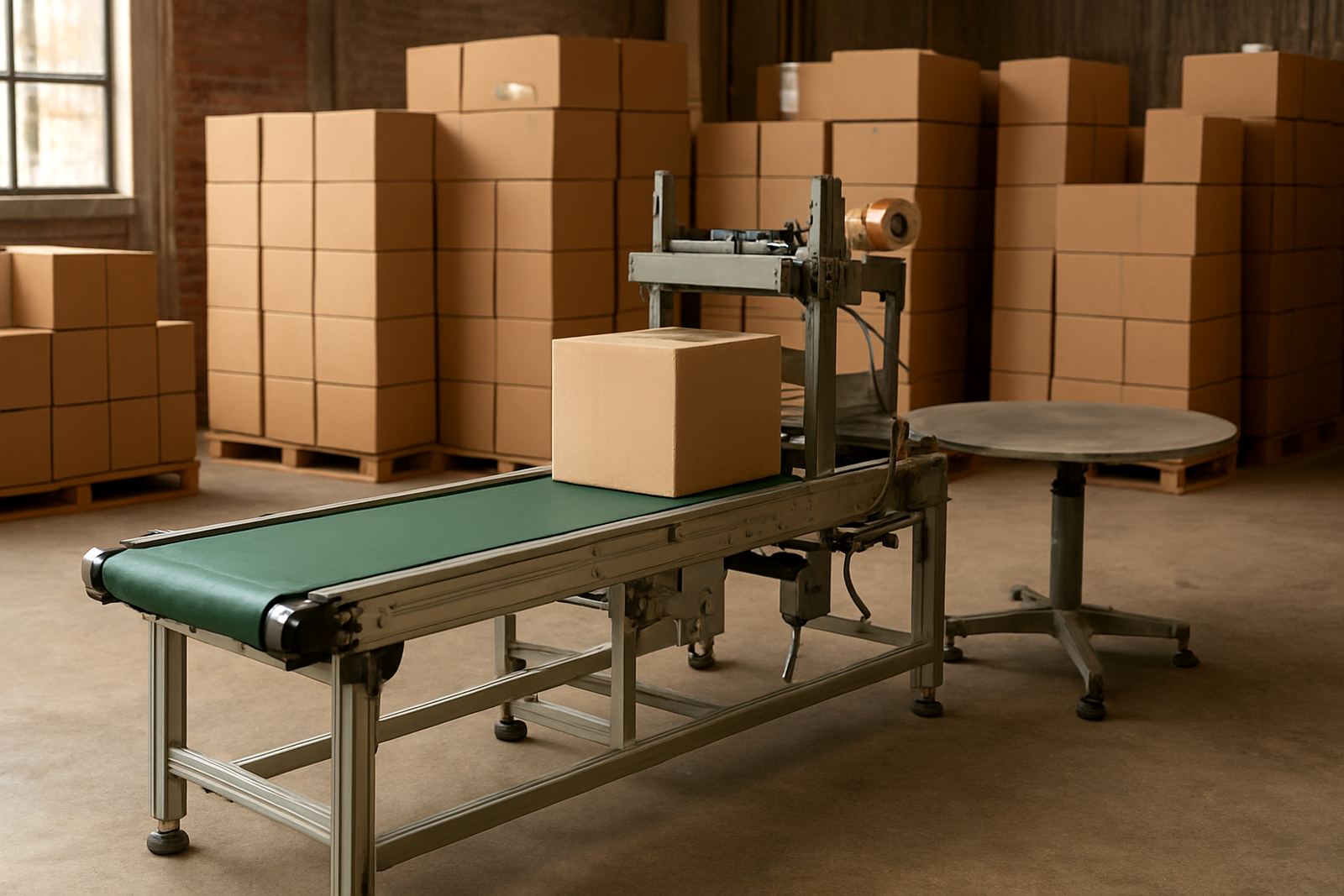
A packing line is the full run of equipment that takes a product from the last process stage into a finished carton, bag, pouch, bottle or tray. On used lots, you may find anything from a single case sealer to a full line with conveyors, feeders, fillers, cappers, labelers, checkweighers and pallet handling gear. Some lines are built for powders, others for granules, liquids, sachets or cartons, so the layout matters as much as the machines themselves.
For buyers, the main value is that a line can be purchased as one working group or split into parts. A food plant in Germiston may only need the carton taper and conveyors, while a contract packer in Pretoria might want the filler, coder and inspection section. The right lot can save months on sourcing, but it pays to check the line speed, change parts and product contact materials before you bid.
Line sizes, speeds and common options
Packing lines are not one-size-fits-all. Small units may run at 10 to 30 packs per minute, mid-range lines at 40 to 120 packs per minute, and higher-output systems much more depending on product type and pack size. The footprint can range from a compact 6 metre straight run to long L-shaped or U-shaped layouts that need 20 metres or more of floor space.
Options often include the following:
- Single-lane or multi-lane infeed
- Form fill seal, cartoning or tray packing sections
- Servo-driven or mechanically indexed motion
- Stainless steel contact parts for food, dairy or wet plant areas
- Inkjet or thermal coding units
- Metal detection, checkweighing and reject stations
- Stretch wrapping or palletising at the end of line
When looking at auction lots, it helps to match the speed to your real shift output, not the brochure number. A line that can theoretically run fast but needs constant stopping for changeovers may not suit a smaller operation.
Where used packing lines suit best
These lines suit businesses that need repeatable packing with controlled product flow. They are often used in food and beverage, cosmetics, household goods, personal care, chemical products, agricultural packhouses and general FMCG operations. They also suit co-packers handling different product runs through the week.
In South Africa, used packing lines are often bought by plants in Gauteng, KZN and the Western Cape where floor space, power use and delivery timing matter. In coastal areas like Durban and Cape Town, buyers should pay extra attention to corrosion on frames, panels and motors. In inland areas, dust and load-shedding planning are often the bigger concern. A line that can restart safely after a power cut can save real downtime.
If you are replacing an old manual end-of-line section, even a partial line can make a clear difference. Many buyers start with a conveyor system, filling unit and carton closure machine, then add inspection or palletising later as the budget allows.
Installation, power and utility needs
Used packing lines need proper planning before collection. The line must fit the building height, doorway width and floor loading, and the infeed and outfeed should match the rest of the plant. A line with long conveyors may need support frames or floor anchors, while heavier machines may need forklift access for positioning. If the equipment came from a different product format, ask whether change parts are included.
Typical utility needs vary, but common requirements are:
- 3 phase power, often 380V to 525V depending on the machine set
- Compressed air for pneumatics, usually around 6 to 8 bar
- Water or steam for some filling and cleaning systems
- Vacuum supply on certain pick, pack or sealing units
- Drainage and washdown points for wet production areas
Always confirm whether the line was removed from a live plant or stored after shutdown. A machine that has been idle for months may need new belts, bearings, seals or control components before recommissioning. If the line uses old control gear, make sure your technician can still source the right parts locally.
Care, servicing and condition checks
Good used packing equipment should show even wear, clean contact surfaces and intact guards. Ask for the running condition of each section, not just the headline line. A filler can be sound while a conveyor motor or control panel needs work. Look closely at belts, chains, sensors, cylinders, bearings and product guides. Stainless surfaces should be free of deep pitting where hygiene matters, and painted frames should not show serious rust at the base.
Regular care after installation should include cleaning, lubrication, belt tension checks and inspection of moving parts. In dusty or high-moisture sites, more frequent checks are needed. A simple service schedule can prevent small faults turning into a full shift loss.
Make sure your team has the manuals, spare parts list and electrical details. If the line has safety interlocks or emergency stops, test them before production starts. It is also wise to ask whether the original guards, panels and product guides are included, because replacing those bits later can take time and money.
What to check before you place a bid
Before bidding, work through the lot details carefully. Packing lines are often sold as complete systems, but not every accessory is included. Some lots cover the main machines only, while others include conveyors, spare heads, coding units or tray former tooling. Measure your available space and match it to the layout shown in the listing. If the line is broken into sections, confirm the sequence and what is missing.
Useful checks include:
- Product type and pack format supported
- Line speed and whether it suits your shift output
- Power supply and air demand
- Condition of motors, sensors and control panels
- Availability of change parts and tooling
- Removal access, rigging needs and transport route
- Whether the lot is complete, partial or sold as seen
For cross-province buyers, collection planning matters just as much as the bid price. A line in Germiston that looks cheap can become expensive if it needs special lifting, extra stripping or long-distance transport. Always allow for rigging, disconnection, wrapping and load-out before you decide on your ceiling price.
Key facts
| Product type | Used complete or partial packing line equipment |
|---|---|
| Typical speed range | 10 to 120+ packs per minute, depending on format |
| Common power needs | 3 phase 380V to 525V, model dependent |
| Air supply | Usually 6 to 8 bar for pneumatic units |
| Footprint | Approx. 6 m to 20 m+ depending on layout |
| Typical sectors | Food, beverage, cosmetics, FMCG, chemical and agricultural packing |