Press Brakes For Sheet Metal Folding In Real Workshop Use
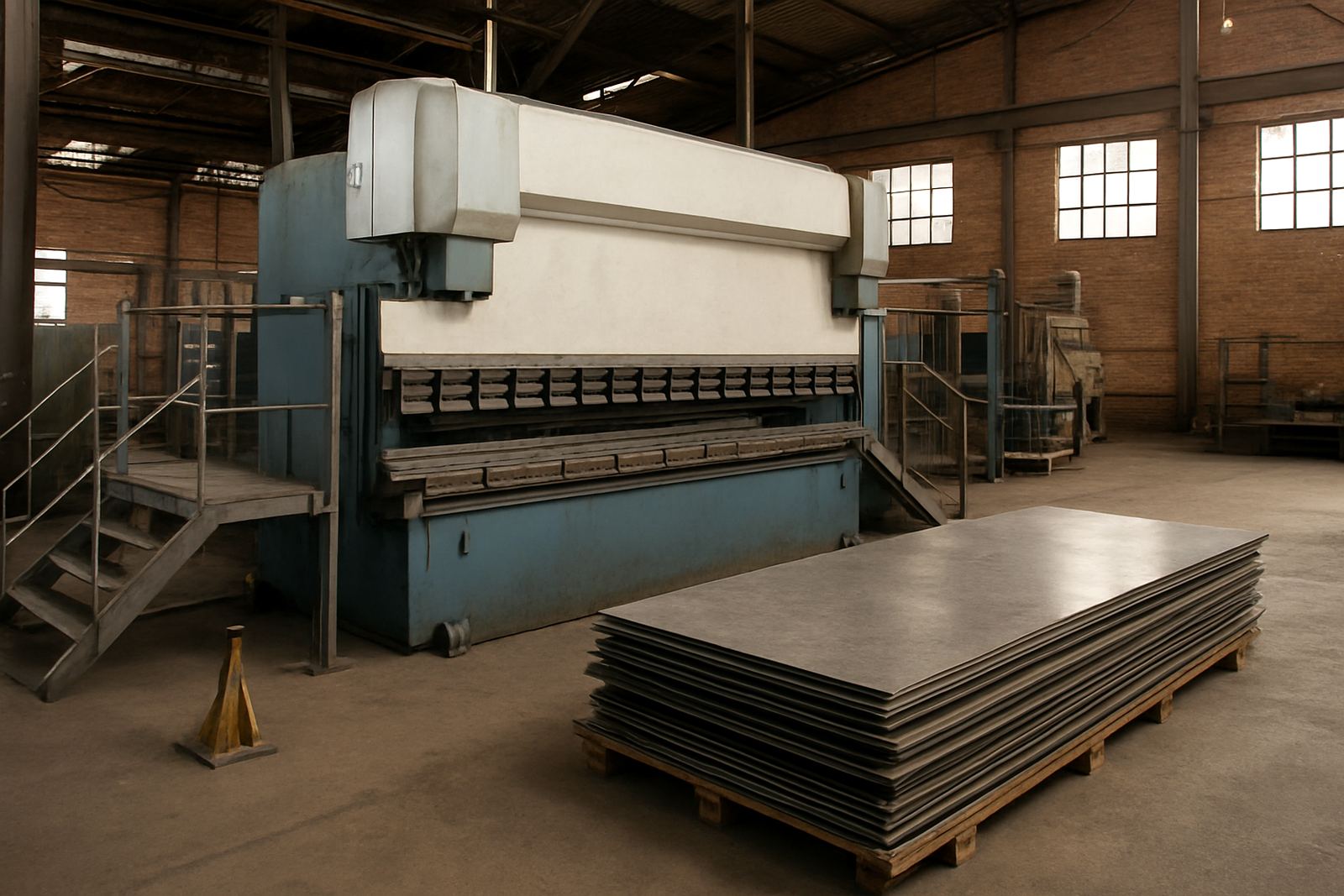
A press brake is used to bend and form sheet metal into accurate angles for cabinets, covers, brackets, frames and panels. In a fabrication shop it usually sits near guillotines, rollers, weld bays and finishing areas, and the right machine can save hours on manual rework. On auction, buyers often look for models that still hold repeatable bends, have clean hydraulics and come with the tooling needed for their common jobs.
These machines suit steel fabricators, HVAC contractors, enclosure makers, signage shops and maintenance workshops that need controlled folds rather than rough hand bending. Many South African buyers also want a machine that can handle local power conditions, basic servicing and moving access through a loading bay or roller door. If the machine is going into a busy Gauteng plant or a coastal workshop in Durban, the condition of seals, electrics and rust protection matters just as much as tonnage.
Common Sizes, Tonnage And Bed Length Options
Used press brakes are usually described by tonnage and working length. Smaller units might handle 30 to 50 tonnes with a 1,250 mm to 2,000 mm bed, while mid-range machines often sit in the 80 to 160 tonne class with lengths from 2,500 mm to 4,000 mm. Heavier workshop machines can go well beyond that, depending on the frame, ram design and tooling setup.
When checking size, match the machine to the thickest material you bend most often and the longest part you need to form in one pass. A machine with too little capacity will force multiple bends or poor angle control. Too much capacity is not a problem if the machine is in good condition, but it may take more floor space, more power and more care during collection.
- Small fabrication runs: 30 to 50 tonnes, 1.2 m to 2 m bed
- General workshop work: 80 to 120 tonnes, 2.5 m to 3 m bed
- Heavier plate and longer sections: 125 to 200+ tonnes, 3 m to 4 m bed
- Tooling to match: punch, die, segmented sets and hold-downs
Where Press Brakes Fit Best In South Africa
Press brakes are most useful where sheet metal needs accuracy and repeatability. That includes cabinet assembly, ducting, truck body parts, farm equipment repairs, electrical enclosures and jobbing work for engineering firms. In Johannesburg East, Germiston, Isando and Alberton, many buyers use them in mixed fabrication shops where the machine has to earn its keep every week. In Durban and Cape Town, corrosion resistance and clean storage are worth watching because coastal humidity can affect exposed tooling and cabinet panels.
For contract manufacturers, the main advantage is consistency. Once the back gauge, tooling and operator settings are right, the same bend can be repeated across a batch with less scrap. Smaller businesses often buy a used machine because it lets them take on folding work in house instead of sending parts out, which keeps lead times under control.
- Sheet metal fabrication and enclosure making
- Ventilation and ducting work
- Truck bodies, trailers and fitment work
- Maintenance departments and jobbing workshops
- Industrial repair and light manufacturing
Power, Floor Space And Installation Notes
Before bidding, check the machine nameplate and ask for the motor rating, supply voltage and control system details. Many used press brakes run on 380 V three-phase power, though some smaller units may differ. If the machine uses a hydraulic system, you will need space for the pump unit, oil checks and safe access around the rear and side. Floor loading is another point to confirm, especially for heavier frames on upper slabs or older factory floors.
Installation usually needs proper levelling, a clear approach for rigging equipment and enough room for the back gauge and operator movement. If the unit comes with light guards, foot pedals or programmable stops, check that all parts are present. In some plants, compressed air is also used for ancillary controls or guarding, so buyers should ask what the machine needs beyond electricity. A quick site survey can prevent a costly surprise later on.
- Typical supply: 380 V three-phase, subject to machine type
- Check motor size, control voltage and hydraulic condition
- Allow space for loading, levelling and maintenance access
- Confirm floor strength if the machine is large or very heavy
- Ask whether the machine needs compressed air or extra guarding
Care, Servicing And What To Look For At Viewing
A used press brake should move smoothly through its stroke, hold pressure evenly and stop cleanly at set points. Listen for unusual pump noise, jerky ram movement, oil leaks around hoses and seals, and excessive play in the back gauge. If the machine has an electronic control, check that the screen, buttons and axis functions respond properly. A machine may look complete but still need parts that are costly or slow to source.
Regular care is simple but important. Keep the bed and tooling clean, check hydraulic oil levels, inspect hoses for cracking and make sure the machine is protected from dust and moisture when not in use. In load-shedding conditions, operators should follow safe shutdown steps and avoid restarting under pressure if the controls have tripped. A neglected machine can still be repaired, but it is better to know the condition before collection.
- Inspect ram travel, repeatability and brake response
- Check back gauge movement and any programmable axes
- Look for oil leaks, damaged hoses and worn seals
- Confirm tooling is included and usable
- Test safety devices, stops and control functions
What To Confirm Before You Bid
On auction, the best results come from checking the right details before the final bid. Ask for the working length, tonnage, serial number where available and the full list of tooling included. If the machine has been used on stainless or heavier plate, inspect wear on the punch and die surfaces. Also check whether the back gauge, controller and foot pedal are part of the lot, because missing items can delay commissioning.
Find out how the machine was used before. A press brake from light sheet metal work may have seen fewer hard cycles than one from heavy production. If the seller can share material thickness ranges, maintenance notes and recent service records, buyers can make a better call. When the machine is viewed in Germiston, Pretoria, Durban, Cape Town or Bloemfontein, bring a tape measure and photos of the parts you plan to fold, so you can judge fit more accurately.
How BidThis Supports Buyers And Sellers
BidThis runs timed online auctions for used machinery and business assets across South Africa, with viewings arranged through our Germiston base and related viewing points. Our team handles seller onboarding, asset appraisals, lot cataloguing, auction photography, reserve price guidance, buyer support, payment clearance and collection coordination. That means buyers can focus on the machine details while sellers get a proper auction process for surplus equipment.
If you are looking for a press brake, the practical approach is to review the lot listing, inspect the machine at the viewing site and confirm the specs that matter for your workshop. If you are selling one, clear out any loose tooling, note the faults honestly and make sure the power connection and accessories are easy to identify. Clear information helps the auction run smoother and usually brings better bids too.
Key facts
| Product type | Used press brake for sheet metal folding |
|---|---|
| Typical capacity | 30 to 200+ tonnes, depending on model |
| Typical bed length | 1,250 mm to 4,000 mm |
| Power | Commonly 380 V three-phase |
| Main use | Bending sheet steel, stainless steel and aluminium |
| Common extras | Back gauge, punch and die sets, foot pedal, safety guards |