What a used forklift offers on auction
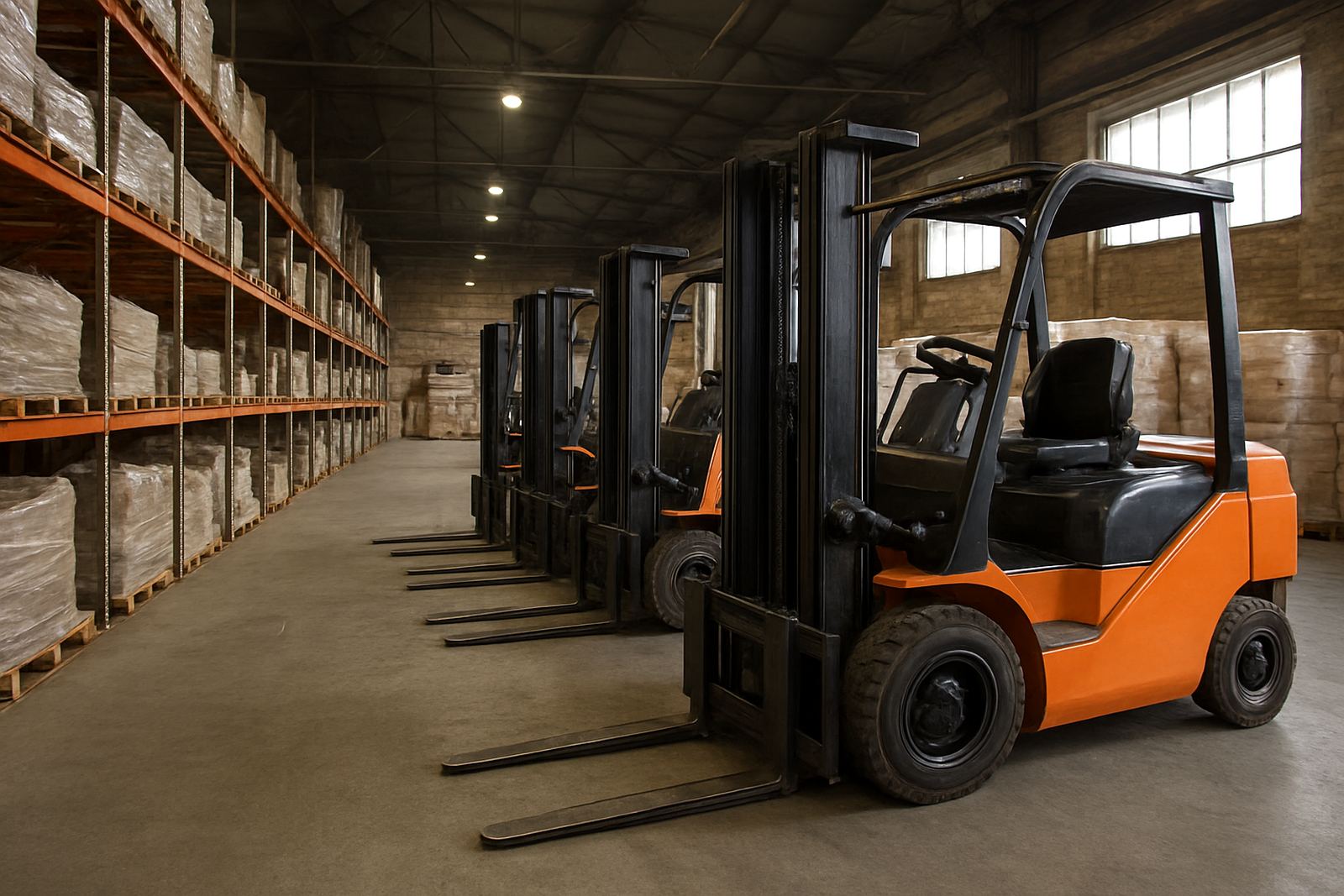
A used forklift is a working industrial lift truck sold after previous duty in warehousing, manufacturing, retail distribution, logistics or yard work. At BidThis, these machines appear as individual lots or grouped fleet disposals, so buyers can compare condition, hours, attachments and service history before the auction closes.
Most units are sold as seen, with the listing showing the main operating details that matter on site: mast type, tyre condition, fork length, power source and whether the machine is suited to indoor aisles or outdoor yards. That helps you match the forklift to your floor space and loading pattern without guessing. It also helps when planning for load-shedding, because some operations prefer electric units for indoor work and diesel or gas units for outdoor use.
Common forklift sizes and working ranges
Used forklifts are normally listed by rated capacity and mast setup. In South Africa, the most common units are 1.5 tonne, 2.5 tonne, 3 tonne and 5 tonne machines, with larger yard forklifts appearing less often. Lift height can range from about 3 metres on basic masts to 6 metres or more on triple mast units, depending on the model and remaining condition.
- 1.5 to 2 tonne: light warehouse stock, pallet handling and narrow indoor aisles
- 2.5 to 3 tonne: general freight, loading bays and mixed indoor or outdoor work
- 4 to 5 tonne: heavier pallets, building materials and yard transfers
- Reach or narrow-aisle units: high racks, tighter spaces and long shifts in warehouses
Counterbalance forklifts are the most familiar choice for yards and loading docks, while warehouse trucks are better suited to tighter storage layouts. If you are buying for Germiston, Isando or Alberton, think about turning space, floor loading and how often trucks must move between the yard and the building.
Where these forklifts fit best
Used forklifts suit a wide range of sites, from small distribution centres to production plants and storage yards. They are useful where goods need to move quickly between delivery vehicles, racks and dispatch points. In Durban and Cape Town, buyers often look for machines that can cope with coastal humidity and regular outdoor movement, while inland buyers may prioritise runtime and fuel efficiency.
These machines work well in:
- Warehouses and distribution centres
- Manufacturing plants and maintenance stores
- Hardware, timber and building supply yards
- Cold rooms and packaged goods facilities
- Municipal depots and private fleet yards
If the forklift will spend most of its day indoors, electric units can be a practical choice. If the machine must work outside on uneven ground or long shifts with less charging downtime, diesel or gas may suit better.
Power, fuel and site setup details
Forklift power choice matters as much as lift capacity. Electric units need a suitable charging point, dry parking and routine battery care. Diesel units need fuel storage that complies with site rules and cleaner running conditions for enclosed spaces. LPG or gas units can work well for mixed use, but gas bottle handling and safe storage need proper planning. In older buildings with limited electrical supply, a buyer should also check whether charging can run without overloading the site during peak use.
Before collection, confirm the following:
- Battery voltage and charger compatibility on electric units
- Fuel type and tank condition on diesel machines
- Gas bottle mounting and regulator condition where fitted
- Tyre type for the surface, solid, pneumatic or cushion
- Fork length, carriage width and mast height for your racks or bays
For sites in Pretoria, Johannesburg East and Bloemfontein, the right machine is often the one that fits your floor, aisle width and power supply first, not only the badge on the side.
What to inspect before you place a bid
Used forklifts vary a lot, even when they look similar. Check the listing for clear photos of the mast, forks, tyres, overhead guard, counterweight and operator compartment. Ask whether the hour metre works, whether the machine starts and lifts under load, and whether any repairs have been done recently. Minor hydraulic seepage is common on older machines, but heavy leaks or uneven lifting need attention.
Useful ordering checks include:
- Service records and any recent major repairs
- Rated capacity plate and whether it is still readable
- Side shift, clamp or other attachment requirements
- Tyre wear, steering play and brake response
- Availability of spares and local service support
If the forklift is from a busy yard, look closely at the forks and mast channels for wear. A machine may still be usable, but worn chain, bent forks or a tired battery can add cost soon after collection.
Care after purchase and long term servicing
Once the forklift is on site, put it into service only after a proper check. Clean the machine, inspect fluid levels, test the brakes and confirm the mast runs smoothly through full lift and lower cycles. Battery units need charging habits that suit the shift pattern, while engine-driven units need oil, filters and cooling system checks at regular intervals. In coastal areas, salt air can speed up corrosion, so painting touch-ups and cleaning matter more than many buyers expect.
Keep a simple service log from day one. That makes it easier to plan tyre changes, chain inspection and hydraulic work before a small fault becomes a stoppage. It also helps when the machine is later sold again through auction or private disposal.
How BidThis runs forklift auctions
BidThis lists used forklifts from sellers across South Africa, with viewing options in Germiston, Johannesburg East, Pretoria, Durban, Cape Town, Bloemfontein, Isando and Alberton. The lot information is prepared for timed online auctions, so buyers can review details, inspect where available and bid with a clear view of condition and use case.
For sellers, the process supports cataloguing, valuation guidance, viewing management and collection coordination. For buyers, it offers a practical route to find machinery that suits a specific job without committing to new equipment pricing. When you need a forklift for warehouse work, yard handling or fleet replacement, the details on the lot page are what help you judge fit and value.
Key facts
| Common capacities | 1.5 tonne to 5 tonne, with larger yard units listed when available |
|---|---|
| Lift heights | About 3 metres to 6 metres plus, depending on mast and condition |
| Power types | Electric, diesel and LPG gas |
| Tyre options | Solid, pneumatic or cushion |
| Typical uses | Warehouses, loading bays, yards, production sites and storage depots |
| Viewing locations | Germiston, Johannesburg East, Pretoria, Durban, Cape Town, Bloemfontein, Isando, Alberton |