What a flatbed trailer is built to carry
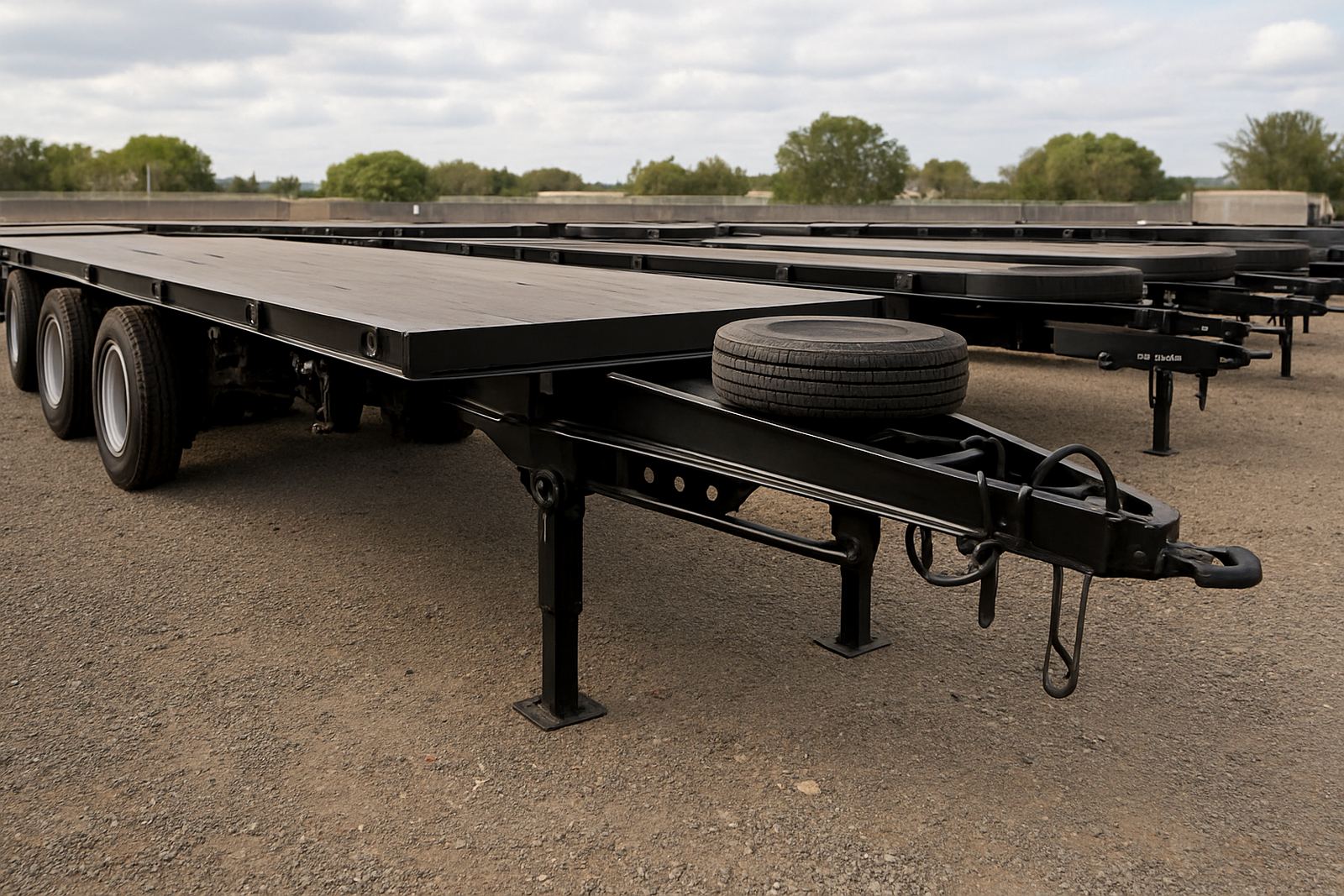
A flatbed trailer is an open trailer with a level load bed and no fixed sides, which makes it useful for long, awkward or heavy items. You see them used for timber, scaffolding, steel, bricks, compactors, generators, pallets, small plant and farm equipment. For business owners moving stock between Germiston, Isando, Pretoria, Durban or Cape Town, the appeal is simple, you can load from almost any angle.
Used flatbed trailers on auction are often taken from construction fleets, transport yards and agricultural operations. That means buyers may find different deck lengths, axle layouts and ramps, plus older units that still have plenty of working life left if the chassis is straight and the braking system is sound. A well kept trailer can be a practical buy for a contractor or farmer who needs a dependable carrier without paying new prices.
- Open deck for easy loading by forklift, crane or ramp
- Suitable for mixed cargo, from building materials to machinery
- Often easier to inspect than enclosed trailers because the frame is visible
Typical sizes and build options to look for
Flatbed trailers vary a lot, so it helps to match the trailer to your normal loads instead of buying by price alone. Smaller single axle units can suit light business use, while heavier tandem axle or tri axle trailers handle bigger payloads and rougher roads. On South African sites, you also need to think about potholes, gravel access, coastal humidity and long motorway runs, because these conditions affect wear on the deck, springs and lights.
Common sizes on the market range from about 2.4 metres to 7.2 metres in deck length, with widths commonly around 1.5 metres to 2.5 metres. Some have fixed sides, removable stanchions or rear ramps, while others are plain open decks. Deck material may be steel plate, treated timber or a combination, and you may see rated payloads from around 750 kg on light units up to 8 000 kg or more on heavy duty trailers. Check whether the trailer is roadworthy for your intended use and whether the paperwork matches the physical unit.
- Deck length: about 2.4 m, 3.0 m, 4.2 m, 6.0 m or longer
- Width: commonly 1.5 m to 2.5 m, subject to road regulations
- Axles: single axle, tandem axle or tri axle depending on payload
- Extras: loading ramps, spare wheel carrier, jockey wheel, tool box or tie down rails
Where flatbeds work best in South African operations
Flatbed trailers are a good fit for businesses that move materials in and out of sites with changing loads. Construction teams use them for blocks, mesh, sand bags and site equipment. Workshops move engines, compressors and steel stock. Farmers use them for feed, fencing materials, sprayers and hay bales. If your business works across multiple sites, a flatbed gives you flexibility because the same trailer can handle different jobs during the week.
They are also handy where loading time matters. A forklift can place pallets straight onto the deck, and a crane can drop awkward items without fighting fixed side panels. That said, open trailers do not protect cargo from rain or theft, so they suit secure sites or loads that can be tied and covered properly. On coastal routes or in humid areas, owners should watch for rust on welds, cross members and light brackets, as it can start small then spread quickly if ignored.
- Construction material deliveries and site transfers
- Machinery moves between depots, yards and customer sites
- Agricultural haulage for produce, fencing and feed
- Industrial stock movement where fast loading matters
What power, towing and setup needs to plan for
Flatbed trailers do not need installation in the usual sense, but they do need a suitable tow vehicle, correct coupling and proper load securing gear. There is no electrical or gas connection for the trailer itself, although the tow vehicle must have working trailer lights and an approved towing setup. Before collection, check that your bakkie or truck can legally tow the trailer gross mass and that the tow ball, hitch pin or ring type matches the trailer connection.
For day to day use, make sure you have ratchet straps, wheel chocks and a loading plan. If the trailer has electric brakes or brake lights, test them before it leaves the yard. Buyers should also factor in storage, because a flatbed parked outdoors in Johannesburg East or Durban can collect dust, rain and grime fast, while a unit left near the coast can corrode if it is not washed down. A simple cover over exposed wood and routine greasing can go a long way.
- Confirm towing capacity of the vehicle before bidding
- Check plug type, lights and brake operation
- Have straps, chains and wheel chocks ready for collection
- Store on level ground to reduce tyre and suspension strain
Care, servicing and common wear points
A used trailer can serve for years if the running gear is kept in good order. The main wear points are tyres, wheel bearings, brake shoes, leaf springs, suspension hangers, couplings and the deck surface. On timber decks, look for soft boards, lifting edges and water damage. On steel decks, inspect for pitting, bending and old repairs that may have been plated over. If the trailer has been standing for a while, tyres may show flat spots or sidewall cracking, so dont assume tread depth tells the full story.
After auction, owners should grease moving parts, check wheel alignment and retorque wheel nuts after the first trip. For units used on farms or construction sites, wash off mud, cement dust and fertiliser residue because these materials speed up corrosion. A clean trailer is easier to inspect too, which makes it simpler to spot a cracked weld or a bent drawbar before it becomes a bigger problem. Keep the registration papers and asset details together for servicing, insurance and transfer. This is often overlooked, but it saves time later on.
- Grease bearings, couplings and hinges on a set schedule
- Check tyres for age, not just tread
- Inspect welds, cross members and deck fixings for cracks
- Replace damaged reflectors, lights and wiring promptly
What to check before you place a bid
When you are buying a used flatbed trailer through auction, ask the practical questions first. Does the deck size suit your loads, and will it fit your yard or storage bay? Is the trailer rated for the weight you plan to carry? Are the tyres serviceable, or are they close to the legal limit? Does the drawbar line up correctly, and are there signs of accident damage or poor repairs? If the trailer has ramps, make sure they are straight and properly attached.
It is also worth checking whether the trailer is complete. Missing lights, broken jockey wheels or worn couplings can turn a cheap unit into a costly one if you have to source parts later. For businesses in Pretoria, Bloemfontein or Cape Town, transport costs can matter as much as the bid price, so factor in collection, clearing and any immediate repairs. BidThis helps buyers review asset details, view the condition information and plan collection through our enquiry form before committing to a bid.
- Deck length, width and height of loading area
- Payload rating and axle configuration
- Tyre condition, spare wheel and brake status
- Lighting, reflectors and roadworthy documentation
- Visible repairs, rust, twist or frame damage
Key facts
| Deck length | Typically 2.4 m to 7.2 m, depending on the unit |
|---|---|
| Deck width | Commonly 1.5 m to 2.5 m |
| Axle options | Single axle, tandem axle or tri axle |
| Typical payload | About 750 kg to 8 000 kg plus, model dependent |
| Common materials | Steel frame with steel or timber deck |
| Best uses | Construction materials, machinery moves, agricultural loads |