What bottling equipment covers in a used asset sale
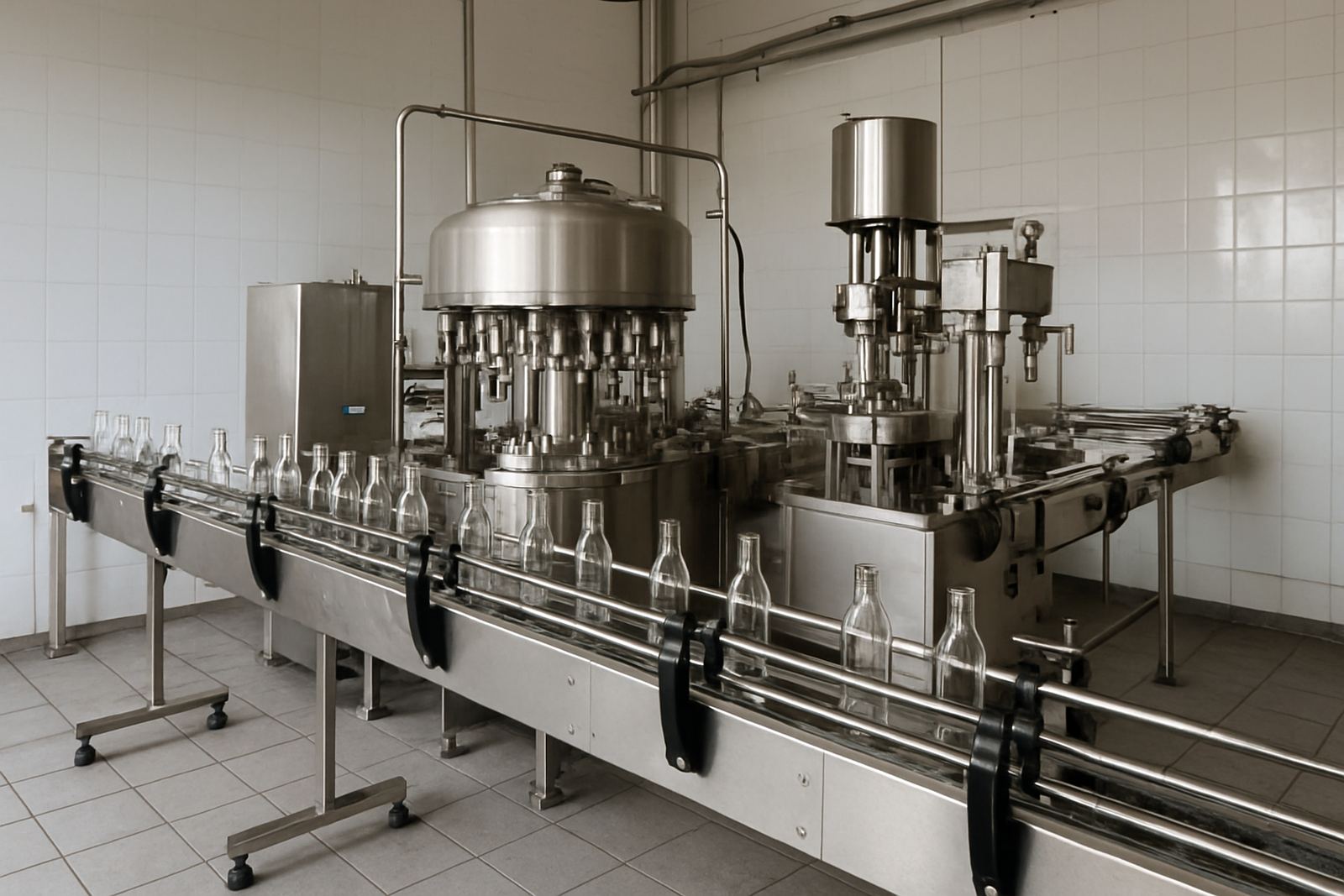
Bottling equipment usually means the machines and handling gear used to move empty bottles in, fill them, cap them, label them and send the finished packs out. In an auction lot you may find single machines or a grouped line from a processing site, including conveyors, rinser units, fillers, cappers, bottle orienters, accumulation tables and shrink-wrap or pack-out support gear.
These assets come from food, drink, chemical, personal care and contract packing sites. Some are stainless steel units for wet areas, others are lighter handling machines for dry pack rooms. The condition can vary a lot, so the listing should show what is complete, what is missing and whether the line was running before decommissioning. Buyers need to factor in stripping, moving and recommissioning costs from the start.
- Fillers for liquids, semi-viscous products and still products
- Cappers for screw caps, lug caps and press-on closures
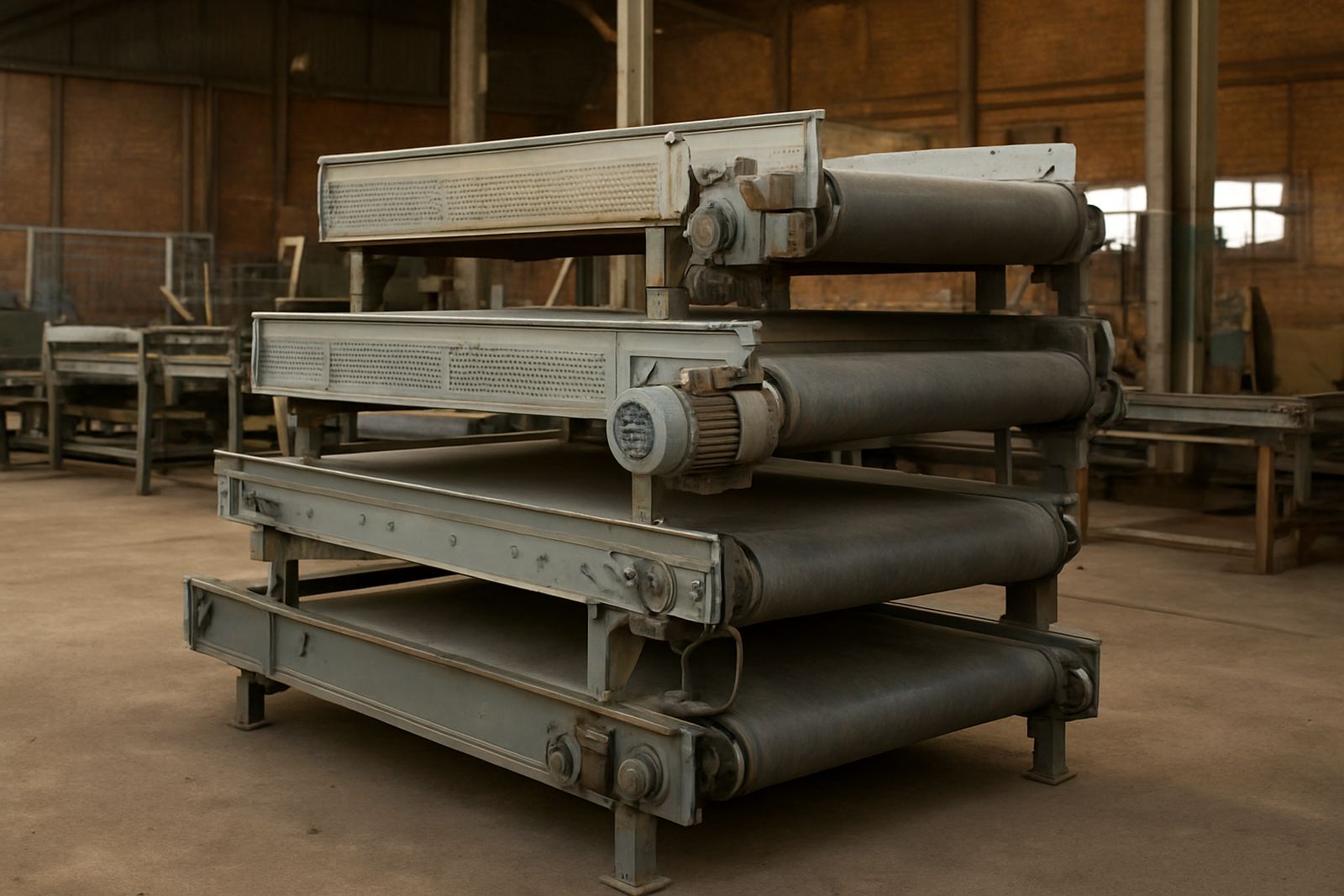
- Bottle conveyors, guides, star wheels and accumulation tables
- Label placement and date coding support equipment
Common sizes, outputs and line options
There is no single size for bottling equipment, and that is where auction buying can work well. Small semi-auto units may suit a workshop or local filling operation, while larger lines can handle higher volumes for regional distribution. Capacity is usually described in bottles per hour, but buyers should also check the bottle type, fill volume and product viscosity because those affect real output.
Typical used auction options include 1 to 4 head fillers, compact bench cappers, rotary capping machines, gravity fillers, piston fillers and conveyor runs from 3 metres to 30 metres or more. Bottle sizes may range from 200 ml to 5 litres, and some lines are set up for glass, PET or HDPE. A mixed line can work if the guides and grippers are adjustable, but it needs proper checking before you bid.
- Benchtop machines for low-volume production
- Semi-automatic units for growing operations
- Full lines with infeed, fill, cap and discharge sections
- Wet-rated stainless equipment for washdown areas
Where these machines suit processing and packing sites
Bottling assets suit producers that need repeatable filling and clean pack-out, especially where labour costs, load-shedding and production pressure make manual handling difficult. They are commonly used in Johannesburg, Germiston, Pretoria, Durban, Cape Town and Bloemfontein by sites handling edible oils, sauces, water, cleaning liquids, cosmetics and light industrial products.
Coastal humidity can affect electrical cabinets, motors and control panels, while inland sites often need dust management and good airflow around the line. For older buildings and municipal premises, buyers should also check floor loading, drainage, waste water handling and whether any local compliance rules apply to the product being packed. A line that worked well in one plant may need changes in another, especially if the bottle shape or closure changes.
- Processing plants moving from manual filling to semi-auto packing
- Contract fillers handling multiple bottle types
- Warehouses with surplus stock sales and rework areas
- Sites needing faster dispatch and less breakage in bottle handling
Power, compressed air and utility needs before installation
Before any used bottling line is bought, the utility requirements should be checked against the new site. Many machines run on 220V single phase or 380V three phase power, with control panels that need proper earthing and surge protection. If the site has regular load-shedding, buyers should budget for changeover gear, backup power or controlled restart procedures so product does not sit in the line and spoil.
Compressed air is common on cappers, actuators and some fillers. The air demand depends on cylinder count and line speed, but a small to mid-size setup often needs a clean, dry air supply at steady pressure. Some lines also need steam, hot water or product heating support, depending on what is being filled. Check the floor space, inlet and outlet direction, and whether the machine can fit through doors, roller shutters and yard access points in Germiston or at the final site.
- Confirm voltage, phase and current draw from the nameplate
- Check air pressure, dryer needs and hose connection sizes
- Allow for pumps, guards, drains and sanitation access
- Plan lifting gear for motors, frames and stainless sections
Care, servicing and hygiene on second-hand bottling lines
Used bottling equipment needs a proper service before it goes back into production. Bearings, seals, belts, pumps, nozzles and sensors should be inspected, and the full line needs a test run where possible. On food and drink sites, sanitation matters just as much as mechanical condition. Look for pitting, corrosion, cracked hoses, worn bottle guides and residue in product paths. A line that has been idle for months can look fine but still need seals and electrical parts replaced.
Routine care includes cleaning after every run, checking lubrication points, tightening fasteners and keeping change parts sorted by bottle size. In humid coastal areas, stainless surfaces and electrical enclosures should be protected against moisture ingress. In dusty inland areas, keep sensors, conveyors and motors free of build-up. If the plant ran on shift work, ask about service logs, spare parts and whether the previous operator had made any unapproved modifications.
What to check before you bid on a bottling lot
Every auction lot should be checked line by line, because one missing part can delay commissioning by weeks. Ask whether the machines were running at the time of decommissioning, whether manuals are available and whether the lot includes all controls, guards, funnels, pump sets and bottle change parts. If the equipment is grouped as one lot, confirm whether it is sold as seen or with any loose items stored separately.
Match the line to your own product range first. Bottle neck finish, cap type, fill method and discharge height all need to match. If you are buying for a site in Johannesburg East, Pretoria, Durban, Cape Town or Bloemfontein, factor in collection timing, rigging, transport and re-installation. A lower hammer price can quickly become expensive if the line needs major rewiring or a full rework of the feed system.
- Match bottle size, neck finish and closure type
- Check if guards, sensors and control panels are included
- Confirm whether pumps, tools and spare parts are part of the lot
- Ask about dismantling, loading and collection deadlines
Key facts
| Typical output | 1,000 to 12,000 bottles per hour, depending on format and line type |
|---|---|
| Bottle sizes | Usually 200 ml to 5 litres, with adjustable guides on some lines |
| Power supply | 220V single phase or 380V three phase, subject to machine setup |
| Air supply | Compressed air often required for capping, actuators and controls |
| Line length | Compact systems from about 3 metres, larger lines 30 metres plus |
| Common materials | Stainless steel, mild steel frames, food-grade plastics and conveyor components |