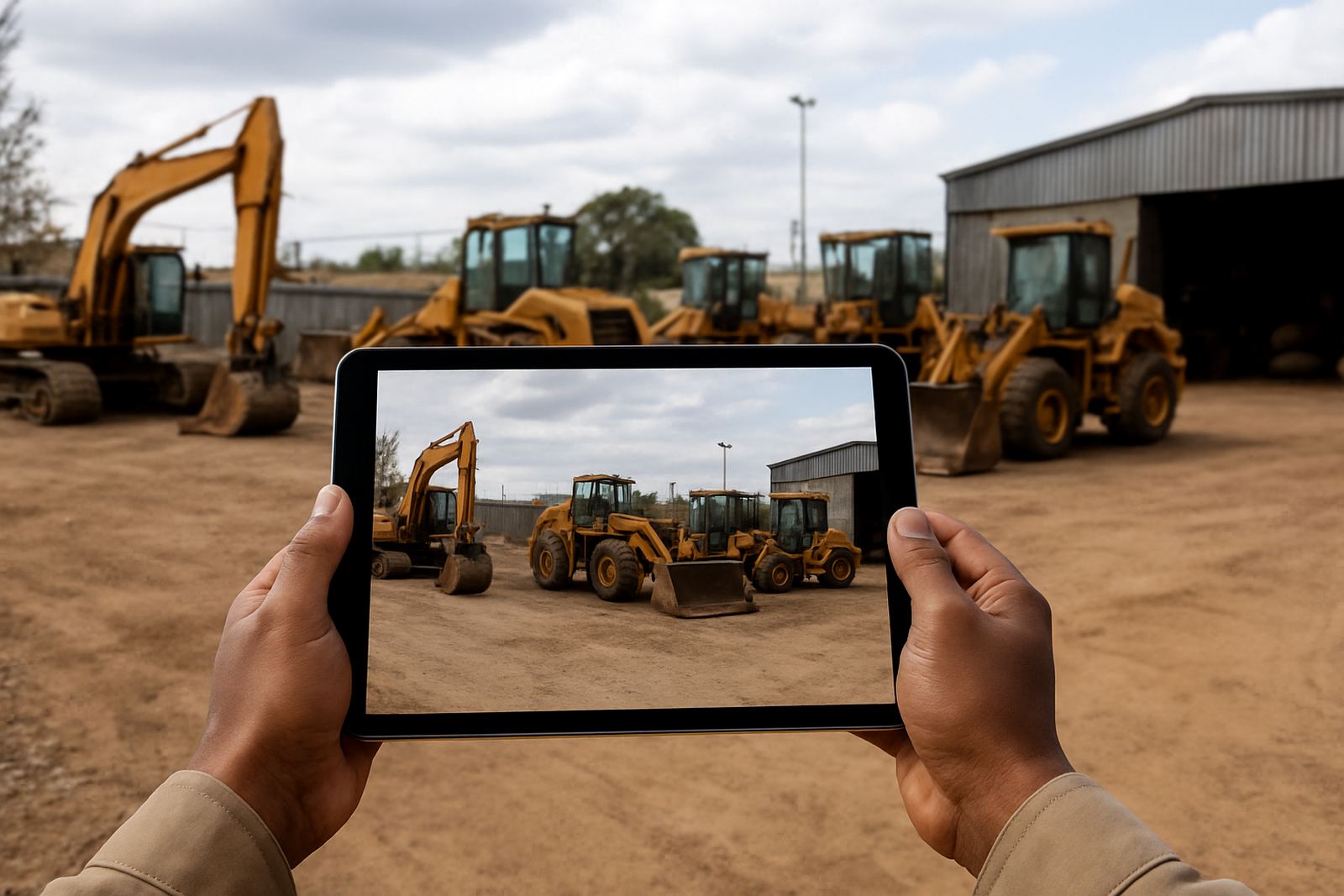
Start your seller enquiry with the basics
Use the enquiry form on our contact page and give us the main details first. Keep it simple: what you want to sell, where it is located, and whether it is one item or a full site clear-out. If the assets are in Germiston, Isando, Alberton or anywhere further afield, we can still assess the lot and advise on the best auction route.
Asset list, condition and site address at the start let us suggest the right sale route. Include makes and models where known, approximate age, working condition, and whether there are manuals, spare parts, or service records available. If the equipment is still connected to power or compressed air, please say so. That helps us plan viewings and collection safely.
- Type of asset: machinery, tools, vehicles, fittings, stock or mixed business assets
- Location: town, suburb, site access and any loading restrictions
- Condition: working, idle, partly stripped, or for parts
- Quantity: single item, small lot, or multi-site dispersal
What happens after we receive your details
Once your enquiry comes through, our team reviews the assets and comes back with the next steps. Keitumetso Hlungwani and the auction operations team coordinate the process, while Jaco Blignaut handles valuation guidance where specialist pricing is needed. If the lot needs to be broken into groups or sold from more than one site, we will say so early.
We usually start by confirming whether the items are suitable for timed online auction, surplus stock sale, or a staged dispersal across several viewing points. In some cases a short site visit or photo set is enough to confirm the lot. In others, especially when there are many assets, we may ask for serial numbers, asset registers, or a simple room-by-room list.
- Initial review of your enquiry
- Asset check and valuation guidance
- Lot grouping and reserve price discussion
- Listing plan and auction timeline
Preparing assets for listing and viewings
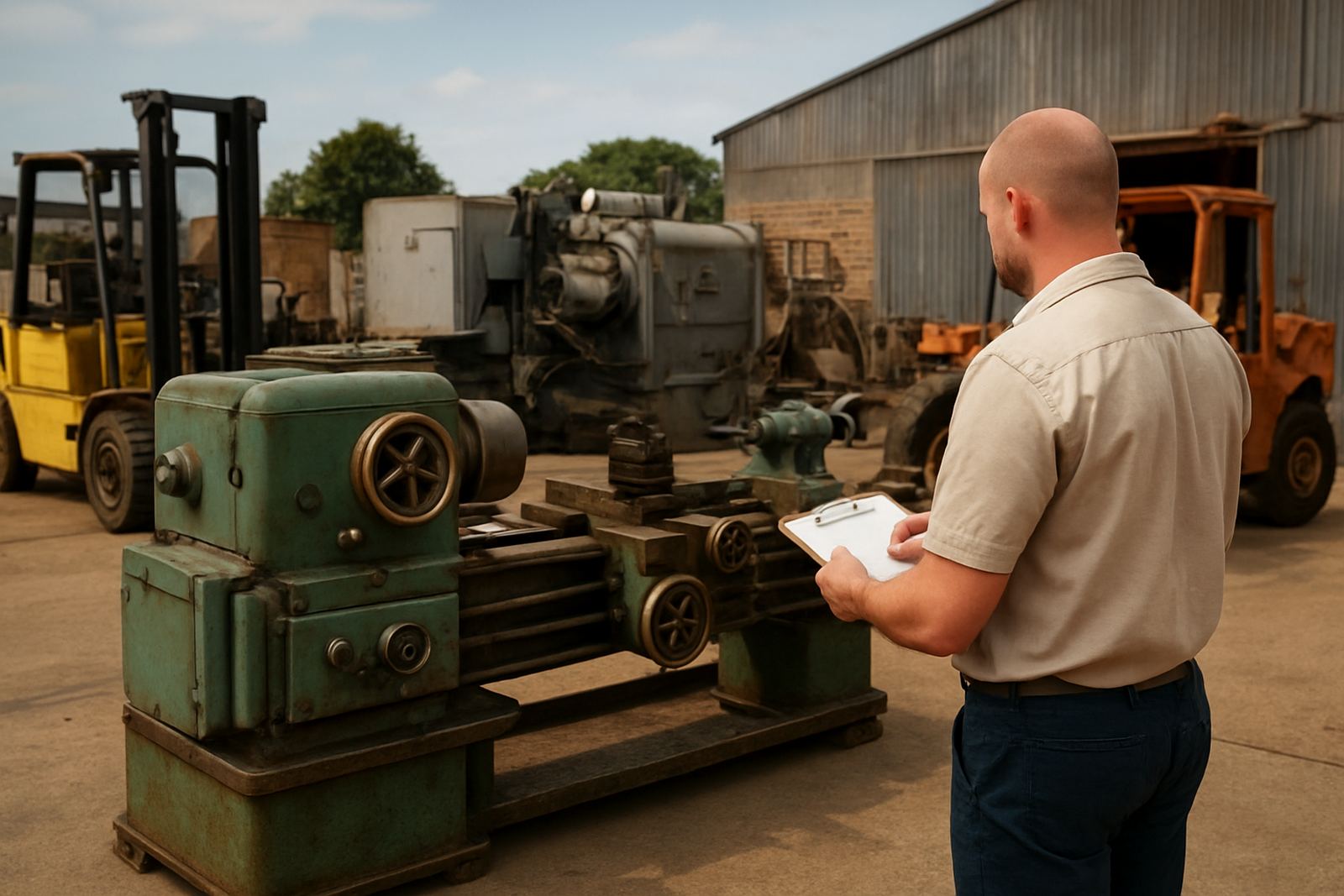
Good listings come from good preparation. Before auction day, we help you make sure each item is identified correctly, photographed clearly, and described in a way buyers can understand. Mxolisi Ngwenya manages viewing arrangements, so access, yard flow, and safety all matter. If equipment is stored in a dusty workshop or a coastal yard where humidity has caused corrosion, note it upfront rather than leaving buyers to guess.
For sellers in Gauteng, KwaZulu-Natal and the Western Cape, we also take local conditions into account. Load-shedding can affect testing, so if an item cannot be powered up during viewing, we can note that in the listing. If there are municipal rules on access, noise, lifting gear or collection times, tell us before the viewing schedule is set. It saves time and avoids hold-ups on collection day.
- Clear the area around the item for photography
- Gather any service history, keys, remotes or spares
- Mark items that are sold as seen, with faults, or incomplete
- Check if disconnection, rigging or lifting is required
Reserve prices, buyer interest and realistic expectations
Setting a reserve price is one of the most important parts of the seller process. A reserve that is too high can slow bidding, while one that is too low may leave value on the table. Zulfa Dawood supports the buyer side of the process, which helps us read market demand and price interest properly. We look at the asset type, condition, age, demand in the market and how many similar units are already available.
We will give you plain advice on whether a reserve is sensible, what kind of bidder interest you can expect, and whether the item should be sold on its own or in a grouped lot. For surplus stock sales or mixed business assets, a wider lot strategy can sometimes bring better results than splitting every item apart. That said, some machines do better as standalone lots when the condition is strong and the buyer pool is broad.
Our aim is to keep the process transparent. You should know how the asset will be presented, when the auction runs, and what support is available after the hammer falls.
Seller onboarding, payment clearance and collection coordination
After the auction closes, Velaphi Gumede and the seller onboarding process help make the handover orderly. We confirm buyer payments, prepare the release steps, and coordinate collection once clearance is complete. If the assets are spread across several sites, we can help manage multi-site dispersals so that collection does not become a mess of missed times and half-finished removals.
Collection coordination matters just as much as the sale itself. We make sure buyers know where to go, what proof they must bring, and what equipment is needed for removal. If there are forklifts, cranes, or pallet handling requirements, this should be recorded before the auction closes. That way your site stays safer and buyers are less likely to arrive unprepared.
- Buyer payment confirmation and clearance
- Collection booking and site access details
- Removal requirements for heavy or awkward assets
- Close-out support for single sites and multiple branches
What to include in your enquiry form
If you want to avoid a lot of back-and-forth, send the details that help us understand the lot clearly. Candice Naidoo handles marketing coordination, so strong information also helps us describe the assets accurately to buyers. Good descriptions attract better interest and reduce confusion later.
Use the form to tell us about your assets in plain terms. If you are not sure about a model number, say what the machine does, its approximate size, and where it is used on site. One missing plate or a faded label is not a problem. We can still work from the information you have.
- Business name and site location
- Asset type and quantity
- Condition and whether power testing is possible
- Any time pressure, access limits or removal deadlines
Once we have that, we can guide you on the next step and help decide whether the assets should be listed from Germiston, Johannesburg East, Pretoria, Durban, Cape Town or Bloemfontein depending on where viewings and collection will work best.