When a factory needs to clear space quickly
Manufacturing plants usually come to us when a line is being upgraded, a production shift has changed, or a site must reduce carrying costs on idle assets. In Gauteng, that often means old compressors, conveyors and packing equipment sitting in a corner while rent, rates and security still keep ticking. On the coast, the pressure can be even greater because humidity starts affecting stored equipment, especially anything with motors, bearings or exposed steel.
Our work is to help the seller present the assets properly, set realistic reserve price guidance and get the right buyers into the process. For buyers, the benefit is simple: you can find replacement equipment without paying new-equipment prices, and you can compare lots across different plants in South Africa before you make a move.
Typical equipment from manufacturing plants
A factory lot can include one machine or a full mixed sale from a production floor, storeroom or underused yard. We often see equipment that is still serviceable but no longer fits the line, or assets that were kept as back-up and never put back into use.
- Injection moulders, mixers, packaging lines and filling machines
- Generators, compressors, pumps and electrical panels
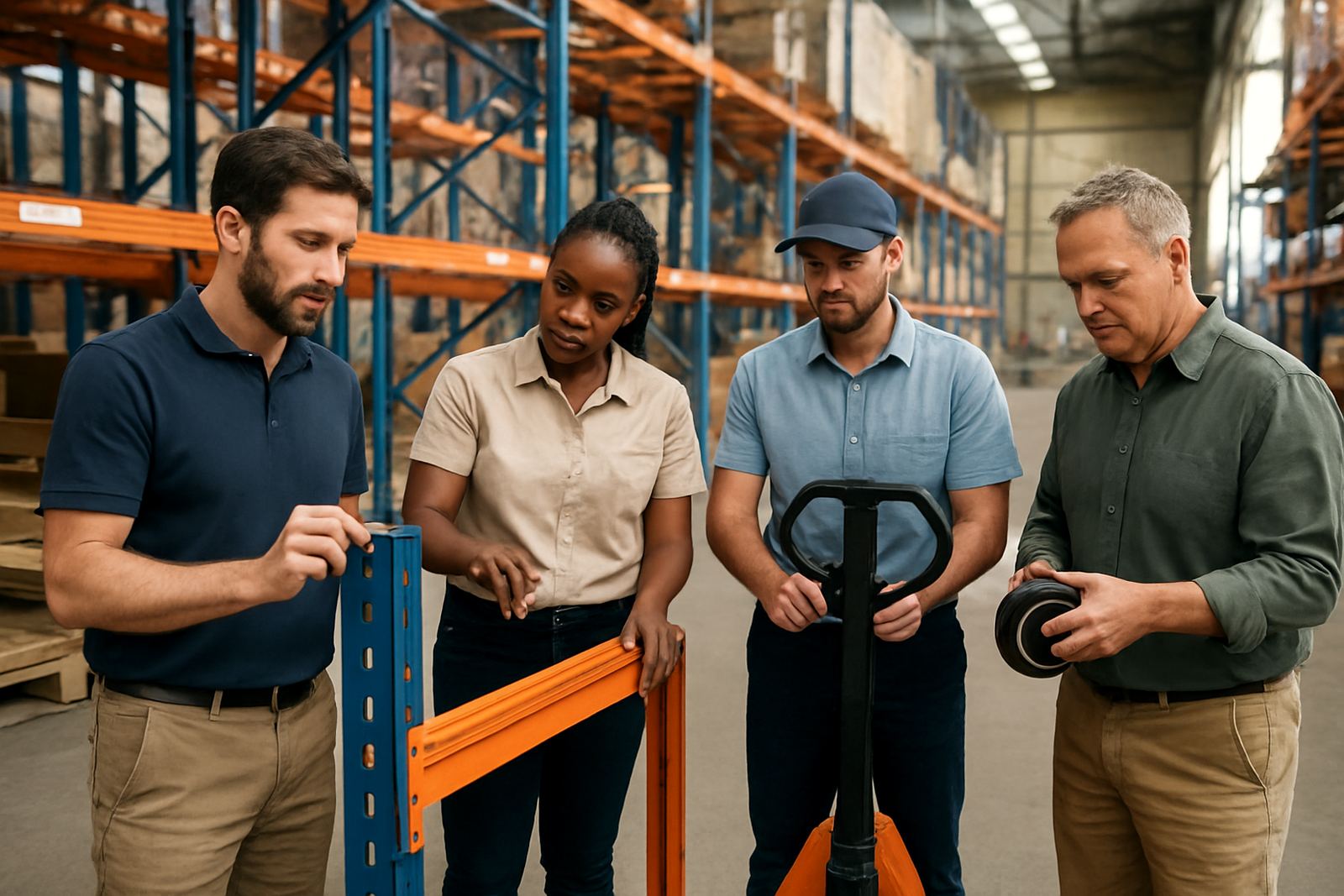
- Forklifts, pallet trucks and racking
- Weighing scales, conveyors and material handling equipment
- Workshop tools, fabrication gear and spares
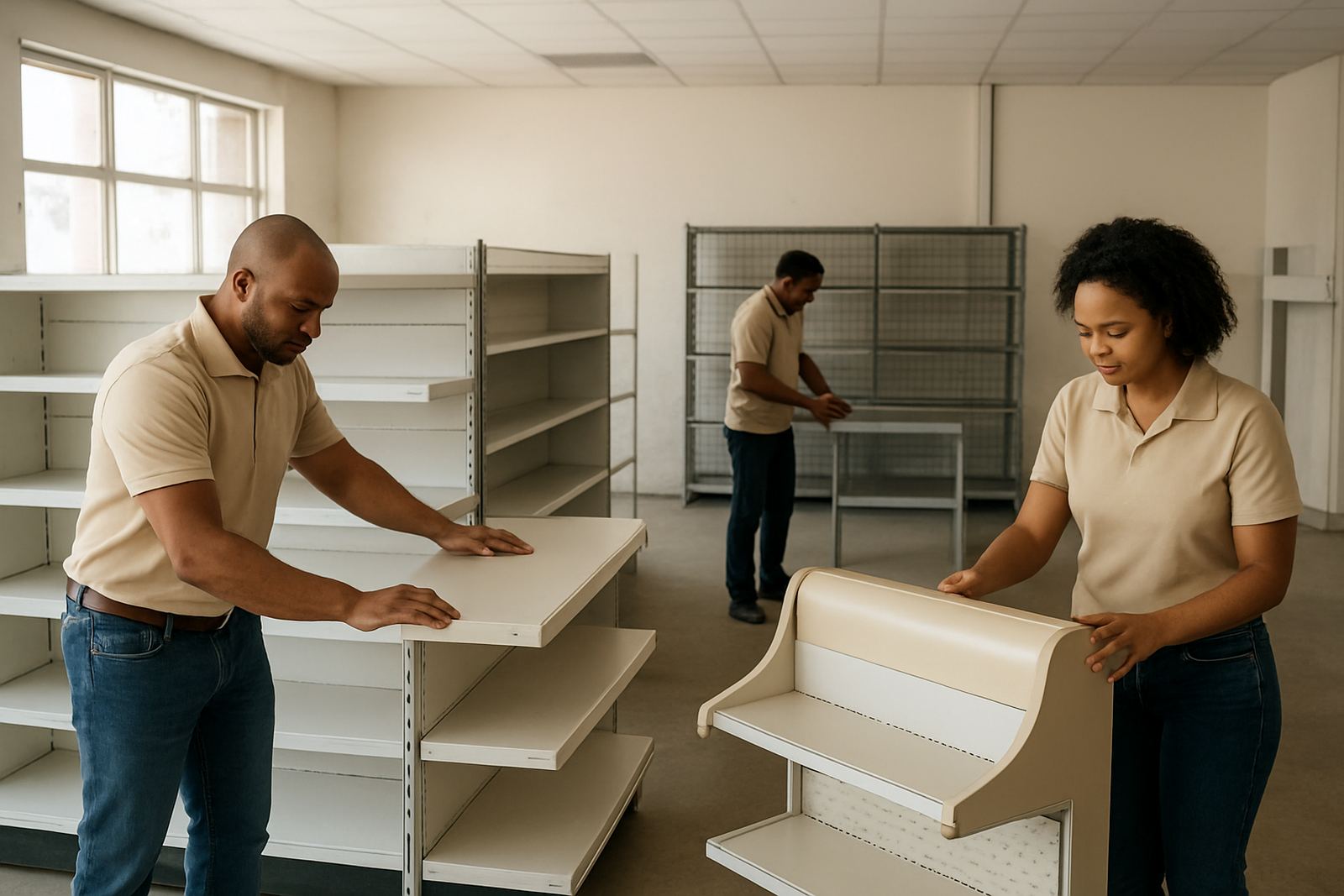
- Office and canteen items from the plant side, where needed
For buyers, this mix matters because one lot may solve more than one problem. A plant in Bloemfontein may only need a second-hand forklift and a compressor. A facility in Durban may want a full set of packing equipment plus racking, because space is tight and replacement lead times are long.
How the site layout affects auction planning
Plant layout has a big effect on how well an auction performs. If equipment is still installed, we look at safe access, lifting points, power isolation and the order in which items can be removed. If the floor is open, we plan viewing routes so buyers can inspect machines without interrupting production or creating safety risks. That is especially important in live plants where forklifts, pedestrians and contractors all share the same yard.
Good planning also helps with collection. A buyer who wins a 4 tonne machine needs to know if there is overhead clearance, whether a crane truck can enter, and if the floor is strong enough for removal. In some areas, municipal access rules, noise limits or permit requirements can affect collection times, so it is worth planning that early. A little extra preparation up front usually saves a lot of trouble later, even if the site team feels rushed.
- Group similar assets together so buyers can value a lot properly
- Label power supply, serial details and machine condition clearly
- Mark out safe walkways for viewings and removal crews
- Allow for loading bay height, gate width and turning space
- Keep manuals, spare parts and control panels with the correct asset
Common mistakes factories make when selling surplus assets
The biggest mistake is waiting too long. Once a machine has sat idle for months, belts perish, grease dries out and buyers start pricing in extra risk. Another common problem is unclear lotting, where useful parts are split off from the main machine and the sale loses value. Buyers want to know what is included, what still works and what needs attention before collection.
We also see plants overpricing equipment because the purchase cost was high, even though the market for used machinery is driven by age, condition, brand type and removal difficulty. If a machine is bolted into a concrete plinth or needs a special lift, that affects the bidding response. On the buying side, one mistake is not checking power requirements or available floor space before placing a bid. A unit can be a bargain and still be wrong for the site.
What buyers should check before they bid
For replacement equipment, practical due diligence is worth far more than a rushed bargain. A buyer should think about installation cost, transport from the viewing point, and whether the machine suits the voltage and production flow at the destination plant. Load-shedding has also changed the way many factories plan, so backup power compatibility is often part of the decision now.
- Measure the installation area before bidding
- Check power, gas or air requirements against your site
- Ask whether removal tools, rigging or cranes are needed
- Confirm if the machine can be tested or viewed in operation
- Budget for transport, packing, rigging and recommissioning
For businesses in Pretoria, Johannesburg East or Isando, quick access to viewings can make a difference when a line goes down. For coastal buyers in Durban or Cape Town, rust prevention and storage conditions often matter more than cosmetic finish. These are small things, but they affect whether the machine will be useful on day one.
Budget ranges for manufacturing plant auctions
Budgets vary widely because a small workshop sale is very different from a full factory dispersal. Smaller items such as hand tools, office furniture or single pumps can start from a few thousand Rand. Mid-range items like compressors, conveyors, pallet trucks and stand-alone machines often fall between R15 000 and R120 000, depending on condition and demand. Larger production assets, lines and heavy-duty equipment can move into the hundreds of thousands, especially if they are well maintained and easy to remove.
When planning a sale, it helps to set aside funds for appraisals, photography, viewing management and collection coordination. Buyers should also keep a buffer for transport and recommissioning, because the winning bid is only part of the total cost. In practice, a machine bought at a good price can still require several extra steps before it is back on the floor, so the full budget needs to be realistic from the start.
How BidThis supports manufacturing sites across South Africa
BidThis works with sellers and buyers across Germiston, Johannesburg, Pretoria, Durban, Cape Town and Bloemfontein, with viewings arranged through our local points where needed. We help with asset appraisals, seller onboarding, lot cataloguing, auction photography, reserve price guidance, timed online auctions, viewing management, buyer support, payment clearance, collection coordination, multi-site dispersals and surplus stock sales.
For plant managers, that means a clear process from first review to final handover. For buyers, it means access to equipment that is described properly, priced competitively and available through a structured auction format. If your factory needs to free up space or source replacement machinery quickly, the process can be handled without wasting weeks on scattered enquiries.